Na Diocese de Lodwar, no Quênia, "última parada antes do Inferno", Mateus 25 é uma Declaração de Missão
Na Diocese de Lodwar, no Quênia, "última parada antes do Inferno", Mateus 25 é uma Declaração de Missão
Crux || Por Ines San Martin || 12 de dezembro de 2017
Na região norte do Quênia, que faz fronteira com o Sudão do Sul, Uganda e Etiópia, há uma diocese católica de 30.000 quilômetros quadrados definida por um escritor de viagens britânico como a "última parada antes do Inferno". Uma região deserta, atormentada pela seca, pelo calor extremo, pela luta étnica, pela pobreza crônica e pela fome, e tão isolada que os prisioneiros políticos da era colonial britânica foram enviados para lá para serem esquecidos.
A Diocese de Lodwar inclui tanto o povo indígena Turkana como o Daassanach, um grupo étnico originário da Etiópia. Ambos praticam um estilo de vida tradicional pastoralista de pastoreio de gado, ovelhas e cabras, de modo que eles têm que se mover sobre vastas áreas em busca de pastagens. Eles roubam a comida uns dos outros há anos, e a presença de armas na região tornou sua rivalidade mortal.
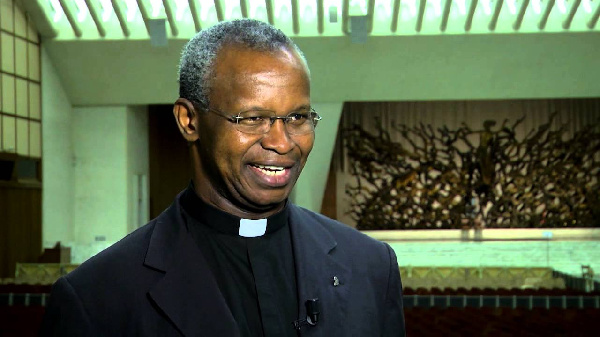
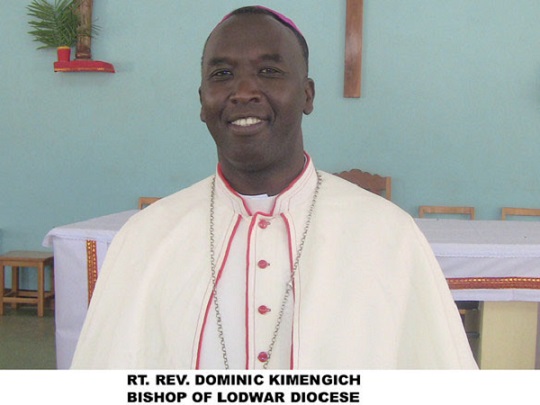
Liderando a igreja nesta periferia, entre as periferias mais pungentes do mundo, está o bispo Dominic Kimengich, originário de Nakuru, a uns 75 quilômetros a noroeste da capital do Quênia, Nairobi. Quando ele foi nomeado bispo auxiliar aqui em 2010, o arcebispo que uma vez ordenou-lhe um padre, brincando, perguntou: "O que você fez [errado] para ser enviado para lá?"
No entanto, este prelado Opus Dei, que passou quatro anos em Roma durante a sua formação sacerdotal, não questionou a nomeação. Nem hesitou quando sua aposentadoria anterior foi aceita nove meses depois, e ele foi nomeado o novo bispo.
"Eu não tinha ilusões, eu sabia que ia ser difícil", ele disse Crux em uma manhã quente quente sexta-feira no início de dezembro. "Mas o papa, a Igreja, pediu-me para vir aqui, por isso aceitei o desafio."
"Você não pode durar aqui se você não estiver disposto a sacrificar", disse Kimerngich sobre como é o ministério em tal ambiente. "Quando temos um novo diácono, estamos muito adiantados sobre isso, deixando bem claro que não há recursos."
Os padres que trabalham em Lodwar não recebem salários. Tudo o que eles recebem é um salário mensal de massa que funciona para $1.200 por ano, grande parte dos quais investem em gás para que seus veículos alcancem estações remotas, alimentos para suas residências e ajudando as muitas pessoas que procuram ajuda para comprar suprimentos escassos de alimentos, medicamentos, roupas e outras necessidades básicas.
Já se passaram mais de seis anos desde que Kimengich veio para Lodwar, e todos os dias ele disse que poderia acordar sobrecarregado pelo peso que está em seus ombros. No entanto, disse ele, encontrou uma maneira de lidar com a pressão.
"Eu sei que não é meu trabalho, eu sou apenas uma ferramenta. Farei o meu melhor e Ele [apontando] fará o resto", disse.
Esta confiança em Deus, disse ele, tem estado com ele desde o início de seu ministério sacerdotal, e ele diz que nunca foi vencido pelo sentimento de que ele não poderia seguir em frente, ou que qualquer problema que ele estava enfrentando naquele dia, ele teria que lidar com isso sozinho.
Os problemas, no entanto, abundam, e saem diretamente do Evangelho: alimentando os famintos, acolhendo o estranho, visitando os encarcerados.
Por exemplo, no ano passado Kimengich estava fazendo missa para celebrar os 10º aniversário de um internato dirigido pela diocese perto da fronteira com a Etiópia. Estudantes das tribos Turkana e Dassanach frequentam a escola e seus pais frequentaram a liturgia, sob a suposição de que armas não eram permitidas.
No entanto, membros da Turkana, "provavelmente após conluio com o porteiro", que também era de sua tribo, conseguiram trazer armas para a igreja e abriram fogo, matando um dos etíopes.
"Falhamos como Igreja", disse Kimengich. "Eles vieram pensando que estavam seguros, mas acabaram assustados, chorando em uma das salas de aula."
Os autores conseguiram fugir, "pela graça de Deus", disse o bispo — Não porque os assassinos escapam à justiça, mas porque a sua ausência impediu um novo banho de sangue. O homem que puxou o gatilho, disse Kimengich, estava tentando vingar 40 quenianos que haviam sido mortos pelos etíopes em 2012.
O bispo então levou o corpo da vítima de volta para a tribo Dassanch, enquanto o resto dos etíopes permaneceu sob proteção policial do outro lado da fronteira. Se a polícia não tivesse intervindo, ele disse, "não teríamos saído vivos".
Durante o funeral do homem, uma de suas filhas disse aos outros para não chorarem, porque cedo ou tarde teriam sua vingança.
A Igreja Católica chegou a Lodwar, hoje uma cidade de cerca de 50 mil pessoas, em 1961. Movido por uma crise humanitária causada por uma seca grave e fome resultante, dois padres missionários irlandeses da Sociedade São Patrício se mudaram para a região.
"Os sacerdotes vieram ajudar a organizar a ajuda, e desde então o povo de Lodwar tem associado a Igreja com ajuda", disse ele. Com temperaturas que podem facilmente chegar a 130 graus, ele disse "as pessoas estavam basicamente nuas" quando os missionários chegaram.
As necessidades mais urgentes naquela época eram a água e a educação, e em grande parte permanecem assim hoje. Depois que os missionários originais ajudaram a melhorar o abastecimento de água, o primeiro bispo da diocese concentrou grande parte de sua atenção nas escolas, vendo-a como o melhor investimento.
Kimengich e seus sacerdotes estão mais uma vez cuidando de muitas das necessidades básicas do povo, fazendo o que é conhecido como "evangelização primária", significando levar o Evangelho para pessoas que nunca o ouviram antes.
Kimengich sabe muito bem que alguns Turkana são atraídos para a igreja não por sua mensagem espiritual, mas sua capacidade de fornecer ajuda concreta em tempos de necessidade. Ainda assim, ele é sanguinário sobre a situação.
"Muitos vêm à missa para comer, mas quando não há nada, eles ainda vêm", disse o bispo. "Se vierem à missa e não houver nada, vão morrer. Temos sempre claro que somos mais do que comida. Jesus alimentou a multidão, mas ele também os desafiou."
Entre muitos projetos que o prelado tem em mente é construir um hospital católico em terra que já adquiriu. A instalação será capaz de fornecer tratamento que o único centro médico local não pode tratar, incluindo doenças como o câncer.
Embora a instituição existente tenha uma máquina de raios X, se um paciente precisa de uma tomografia computadorizada, o hospital mais próximo com o equipamento é em Nairobi. Além disso, a situação é tão terrível que a maioria dos pacientes que vão ao hospital atual não pode pagar um raio-X, que custa cerca de $3.
Outra preocupação fundamental é o enorme campo de refugiados Kakuma, atualmente hospedando cerca de 200.000 refugiados e localizados dentro da diocese. Foi inaugurada pelas Nações Unidas em 1992, com a chegada dos "Garotos Perdidos do Sudão". Hoje, também abriga refugiados da Somália, Sudão do Sul, Burundi, Uganda e Etiópia.
Muitas dessas pessoas fugiram da violência, enquanto outras são o que o bispo descreveu como "refugiados de educação", ou seja, pessoas que se instalam nos campos porque têm melhor acesso às escolas, alojamento e até mesmo à saúde.
A diocese tem uma paróquia em Kakuma, e o bispo a visita várias vezes por ano para celebrar confirmações, no Dia Internacional dos Refugiados, e para o dia de formatura de um programa virtual de educação dirigido pelo Serviço de Refugiados Jesuíta.
Visitando o campo, disse Kimengich, "toca-te de uma maneira muito profunda, vendo como eles são gratos ao que recebem da Igreja, ajuda-te a perceber como és afortunado por poder ajudar aqueles que sofrem".
Portanto, na "última paragem antes do Inferno", a Igreja Católica esforça-se literalmente para responder ao famoso apelo de Cristo: "Tudo o que fizestes por um dos meus irmãos e irmãs, fizestes por mim". Alimentar os famintos, dar água aos sedentos, vestir os nus, cuidar dos doentes e acolher o estrangeiro, são semelhantes a uma declaração de missão.
Vivendo em Lodwar, Kimengich disse, "está vivendo o Evangelho."
"Mateus 25 não é teórico aqui .... isso é colocar a fé em prática."
Fonte: Crux...