Les Looms de transition dans la Powerhouse catholique africaine comme Readies to Go
Les Looms de transition dans la Powerhouse catholique africaine comme Readies to Go
Crux || Par John L. Allen Jr. || 07 février 2018
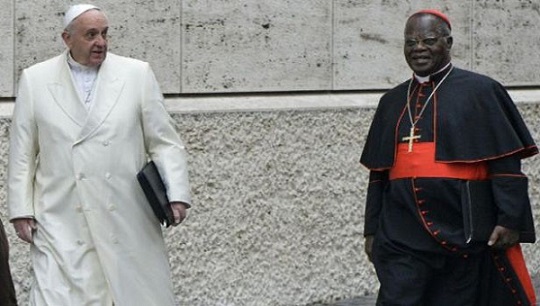
Une transition au sommet se profile dans l'une des puissances mondiales des nations catholiques, puisque le pape François a nommé mardi un nouvel évêque coadjuteur dans l'archidiocèse de Kinshasa en République démocratique du Congo, jetant ainsi les bases du départ éventuel du cardinal Laurent Monsengwo Pasinya, âgé de 78 ans.
Chef d'État de facto au Congo, Monsengwo sera un acte difficile à suivre – un confident prélat et papale de haut niveau qui incarne plus ou moins l'expérience catholique africaine pendant un demi-siècle, dans lequel les dirigeants catholiques finissent souvent par jouer explicitement des rôles politiques qui semblent étranges aux sensibilités occidentales à propos de la séparation entre l'Église et l'État, parce que l'Église est parfois la seule institution qui jouit d'une confiance sociale fondamentale.
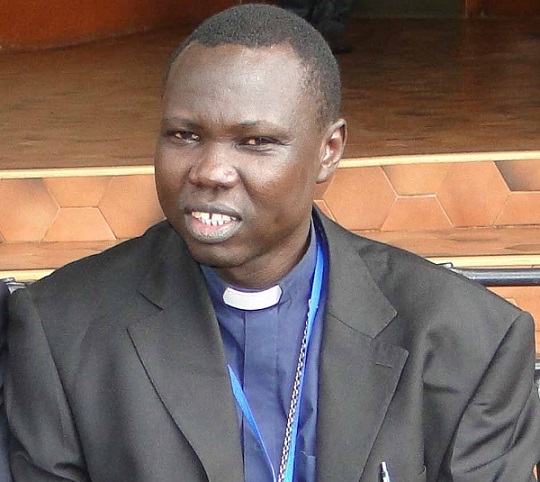
Mardi, Francis a tapé l'archevêque Fridolin Ambongo Besungu, un Capucin et l'ancien chef de l'archidiocèse de Mbandka-Bikoro, comme le « coadjuteur » à Kinshasa, ce qui signifie qu'il a automatiquement droit de succession lorsque Monsengwo descend.
Avec une population de 80 millions d'habitants estimée à environ 80-85 pour cent de chrétiens, environ la moitié de ce total catholique, le Congo est déjà l'une des plus grandes nations catholiques du monde et est destiné à croître. Selon les projections démographiques, d'ici 2050, le Congo sera la plus grande nation catholique d'Afrique et la cinquième plus grande du monde, derrière seulement le Brésil, le Mexique, les Philippines et les États-Unis.
Ambongo, 58 ans, a une formation en théologie morale, ayant étudié à la prestigieuse Académie Alphonsienne de Rome, dirigée par l'ordre rédemptoriste. Il a été nommé évêque de Bokungu-Ikela en 2005, à l'âge de 44 ans, puis est devenu archevêque de Mbandka-Bikoro il y a deux ans.
Tout étant égal, François, jésuite lui-même, semble aimer les évêques d'origine religieuse, admirant en particulier le penchant pour la collégialité et les ordres religieux consensuels tendent à se développer.
Bien qu'il appartienne au pape le moment venu, Ambongo pourrait hériter non seulement de la direction de l'Eglise au Congo, mais aussi de Monsengwo, un des neuf conseillers cardinaux du monde entier.
François a créé un conseil des cardinaux en avril 2013, juste un mois après son élection, et a utilisé l'organisme non seulement pour discuter de la réforme de la Curie romaine mais pratiquement pour chaque décision majeure de gouvernance qu'il a prise.
Quoi qu'il en soit, Ambongo aura de grandes chaussures à remplir pour tenter de suivre Monsengwo, qui a été au centre de presque tous les drames sociaux et politiques dans son pays depuis avoir été nommé évêque en 1980 par saint Jean-Paul II.
Au début des années 1990, ce qui était alors le Zaïre se sentait dans la vie sans le fort Mobutu Sese Seko, qui dirigeait le pays de 1965 à 1997. Un "Haut Conseil de la République" de transition avait besoin d'une personne ayant une autorité morale et une réputation d'indépendance pour diriger le processus d'élaboration d'une nouvelle constitution, agissant en tant que dirigeant national de facto pendant la période de fin de régime.
Personne de la classe politique ne correspond à ce projet de loi, et la nation s'est plutôt tournée vers l'évêque auxiliaire de Kisangani, un religieux poli et urbain nommé Laurent Monsengwo Pasinya. Il a non seulement été président du Conseil, mais aussi président du Parlement national en 1994.
Monsengwo reçoit des critiques mitigées pour la façon dont il a géré le rôle – en partie parce que ce n'était pas vraiment sa diplomatie qui a mis fin à la domination de Mobutu, mais la Première Guerre du Congo et les armées de Laurent-Désiré Kabila. Lorsque Monsengwo s'est exprimé plus tard contre les tendances antidémocratiques de Kabila, les accusations selon lesquelles l'archevêque était « pro-Mobutu » sont devenues un élément essentiel de la rhétorique gouvernementale.
Certains catholiques ont convenu que Monsengwo avait été trop doux, surtout en raison des persécutions qu'ils avaient subies par le régime de Mobutu.
A un moment, Mobutu ordonna à tous les chrétiens du pays d'adopter des noms non chrétiens, et à un autre, il ordonna que des crucifix et des images du pape soient enlevés dans les écoles catholiques et remplacés par des images de lui-même.
Pendant un temps, le cardinal Joseph-Albert Malula de Kinshasa a été contraint à l'exil.
Les admirateurs, cependant, disent que Monsengwo essayait de trouver un troisième chemin entre la dictature et le chaos, notant que c'est une chose de se tenir à l'extérieur du processus politique et de jeter des briques, une autre de rester en elle et d'essayer de faire quelque chose.
Né à Mongobele, dans ce qui est aujourd'hui la RDC, en 1939, Monsengwo appartient à la famille royale de sa tribu Basakata ; son nom signifie en fait, "relative au chef". Jeune homme, il a été envoyé à Rome pour étudier, d'abord à l'Université pontificale urbanienne, où se trouvent des séminaristes du monde en développement, puis au prestigieux Institut biblique pontifical.
Il a également fait un stage à l'Institut pontifical biblique de Jérusalem, où l'un de ses professeurs était un jésuite italien prometteur nommé le Père Carlo Maria Martini, qui est ensuite devenu le cardinal de Milan et l'une des principales lumières intellectuelles de l'Église catholique. À Jérusalem, Monsengwo est devenu le premier africain à obtenir un doctorat en études bibliques de l'institut.
Après avoir travaillé et enseigné au séminaire local dans les années 70, Monsengwo est devenu évêque en 1980, à l'âge de 40 ans. Il a été consacré par le pape Jean-Paul II lui-même lors du voyage de mai 1980 au Zaïre, sa première sortie en Afrique.
Monsengwo a immédiatement été élu président de la conférence des évêques congolais, poste qu'il occuperait de nouveau en 1992. Il est devenu Archevêque de Kisangani en 1988 et Archevêque de Kinshasa en 2007. Benoît XVI l'a élevé au rang de cardinal en novembre 2010.
Non seulement Benoît a fait de lui un cardinal, après une longue période où beaucoup de gens pensaient que la fenêtre d'opportunité de Monsengwo était fermée, mais en 2008 Benoît a tapé Monsengwo comme le traducteur, ou secrétaire général, du Synode des évêques sur la Parole de Dieu. En février 2012, Benoît a également invité le prélat africain à livrer la retraite annuelle du carême du Vatican.
(Il est remarquable que Monsengwo soit au moins passable dans quatorze langues, y compris les principales langues européennes et une variété de dialectes tribaux.)
Les premiers signes sont que Ambongo peut être tout aussi un protagoniste dans les affaires congolaises. Au cours d'une récente controverse autour de Kabila, retardant les élections qui pourraient conduire à un transfert de pouvoir, Ambongo a fermement défendu les catholiques qui ont organisé des manifestations pro-démocratie (et donc anti-gouvernement) qui ont suscité une réaction violente de la part de la police et des forces de sécurité congolaises.
Une déclaration de la conférence des évêques signée par Ambongo et un autre prélat a déclaré qu'ils « déploraient l'attaque contre la vie humaine » et a offert des condoléances aux familles des « victimes innocentes ». Ils ont également appelé à une « enquête sérieuse et objective » pour déterminer qui était responsable de la violence.
Dans leur déclaration, les évêques ont également condamné « la violation de la liberté de culte garantie dans tout état démocratique, la profanation de certaines églises, et l'agression physique contre les fidèles, y compris les serviteurs de messe et les prêtres ».
En général, Ambongo a été un leader parmi les évêques demandant que Kabila ne voit pas un autre mandat comme président et permettre des élections libres et équitables pour avoir lieu.
Une note de bas de page sur la succession à Kinshasa: Si Ambongo devait prendre la place de Monsengwo, il deviendrait le deuxième Capucin – le cardinal Sean O=Malley de Boston, un autre Capucin, siège également au conseil.
Source: Crux...