Le pouvoir des religieuses catholiques africaines doit être libéré
Le pouvoir des religieuses catholiques africaines doit être libéré
Global Sisters Report (GSR) || Par Eucharia Madueke || 16 janvier 2017
Je suis récemment revenu du Nigeria après cinq jours passionnants d'un atelier de plaidoyer et de formation pour les sœurs. Au cours de cet atelier, 86 sœurs nigérianes de 27 communautés religieuses ont fait ce qu'elles n'avaient pas fait auparavant : exprimer leur mécontentement en public. Ils ont dit la vérité au pouvoir, apportant les besoins des gens qu'ils servent à ceux qui ont le pouvoir de créer le changement.
L'atelier a porté sur les structures de l'injustice au Nigéria qui soutiennent la pauvreté et les souffrances, la culture du gaspillage dans la gouvernance, la violence à l'égard des femmes et des enfants et la mauvaise application des lois et des budgets visant à protéger les femmes. La formation comprenait également l'enseignement social catholique et la participation du gouvernement aux niveaux local, des États et fédéral, ainsi que l'utilisation des médias sociaux dans la défense des intérêts. L'atelier a été organisé par le Réseau africain pour la foi et la justice et financé par le Fonds Conrad N. Hilton pour les sœurs et les communautés de base des sœurs de Notre-Dame de Namur. (Le Fonds pour les sœurs a été créé par — mais fonctionne indépendamment de — la Fondation Conrad N. Hilton, qui finance Global Sisters Report.)
L'atelier s'est tenu à Abuja, capitale du Nigéria, du 22 au 27 novembre. Un jour, le 24 nov. a été mis de côté pour engager directement le gouvernement sur des questions importantes pour les sœurs.
Il était prévu que les sœurs rencontrent et discutent de leurs diverses préoccupations avec le président du Sénat du Nigeria, le président adjoint du Sénat (qui est catholique), le président de la Chambre et l'inspecteur général de police dans leurs différents bureaux. Pendant que je me préparais à cette conférence au Nigéria, j'ai fait de nombreuses visites pour programmer et confirmer les heures de ces réunions, et pendant que j'étais très bien reçu dans ces bureaux, personne ne pouvait confirmer la nomination pour ces visites.
Soupçonnant que nous n'obtenions peut-être pas la confirmation d'entrer à l'Assemblée nationale où se trouvent les bureaux des législateurs, j'ai fait un plan alternatif pour mener une action publique à l'extérieur. Un proverbe du peuple Igbo du sud-est du Nigeria m'a dit que notre message toucherait les législateurs: "Elu nwelu nti nwee aya, ani nwele nti nwee aya", ce qui signifie: "Le ciel a des oreilles et des yeux et la terre a des oreilles et des yeux." Nous avons loué un bullhorn (un système d'adresse publique).
Un jour avant la visite prévue, j'ai reçu un courriel du bureau du président du Sénat disant que le sénateur était indisposé et incapable de nous accueillir. Je n'ai rien reçu des autres fonctionnaires. Cette nuit-là, par l'intermédiaire d'une des soeurs, j'ai approché le directeur fédéral de la police au sujet des sœurs qui visitaient son bureau. Heureusement, il a accepté volontiers notre demande.
Lorsque j'ai ensuite annoncé l'action publique à l'entrée de l'Assemblée nationale aux sœurs, j'ai vu comment la peur et la division peuvent étouffer la poursuite du bien commun.
La plupart des sœurs ont ouvertement exprimé leur réticence à apparaître en public pour communiquer leur message sans la permission expresse des évêques et de la direction de leurs communautés. Certains ont demandé que nous annulions la visite jusqu'à ce que les législateurs soient prêts à nous accorder une audience dans leurs bureaux; d'autres ont exprimé leur crainte de ce que les évêques et leurs généraux supérieurs ou provinciaux pourraient leur dire ou faire après avoir vu la manifestation dans les médias. D'autres encore ont demandé que nous écrivions d'abord aux évêques et aux dirigeants de leurs congrégations et que nous leur demandions d'agir publiquement. Quelques autres ont exprimé leur audace d'aller, demandant à ceux qui ne veulent pas rester derrière.
L'agitation des sœurs créa un moment d'enseignement. Tandis que j'ai parlé aux sœurs de notre devoir chrétien et de notre responsabilité civique, qui vont au-delà de l'attente de la permission d'agir au nom de la justice, le P. Aniedi Okure, directeur exécutif de Africa Faith and Justice Network, a expliqué pourquoi les sœurs n'avaient pas besoin de la permission des évêques pour entreprendre une action sociale. Le Sacré-Cœur de Jésus Sr Florence Nwaonuma, ex-présidente de la Conférence des Femmes Religieuses du Nigeria, s'est exprimé pour affirmer ce que Okure et moi avons dit.
À la fin, j'ai dit aux sœurs qu'une lettre avec les détails de l'atelier, y compris les visites prévues et l'action publique possible, a été envoyée à tous leurs généraux mères et provinciaux deux semaines avant la conférence. La même chose a également été envoyée au cardinal d'Abuja. Comme nous n'avons reçu aucun commentaire négatif, je leur ai dit que cela signifiait qu'ils approuvaient nos activités.
Par hasard, le président de la Conférence épiscopale nigériane visitait le centre de conférences ce soir-là. Lorsqu'il a appris notre réunion et l'activité en cours le lendemain, il s'est demandé pourquoi on ne lui avait pas dit plus tôt, afin qu'il puisse être prêt à libérer les sœurs de prison. Après cela, il a demandé que nous allions avec sa bénédiction.
Enfin, les sœurs étaient convaincues et prêtes à faire un grand saut le lendemain. Certaines sœurs ont dit que des amis et des membres de leur famille les avaient avertis de la manipulation par la police des manifestants dans les locaux de l'Assemblée nationale, mais cela ne les a pas découragés.
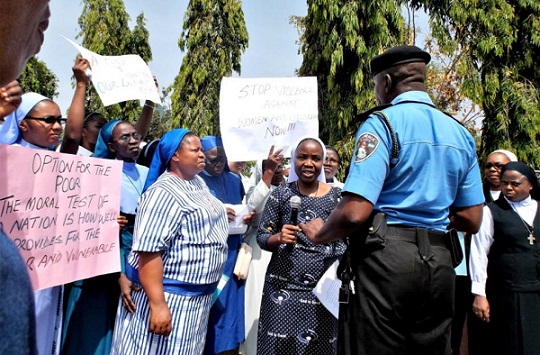
Le lendemain matin après la messe et le petit déjeuner, les sœurs ont ignoré ces avertissements et spéculations et se sont rendues à l'Assemblée nationale et au quartier général de la police. Deux autobus loués, chacun comptant une quarantaine de sœurs vêtues de leurs diverses habitudes religieuses, ont été empêchés d'entrer à la porte de l'Assemblée nationale par la police pour ne pas avoir un permis signé des bureaux qu'ils avaient l'intention de visiter. Quelques-uns d'entre nous avaient pris de l'avance sur les bus et ont fait leur entrée, mais nous sommes retournés parler à la police au sujet du blocage des bus. Dans notre engagement, la police nous a accusés de ne pas suivre le processus. Néanmoins, ils ont convenu avec nous qu'il n'y avait pas de processus clair pour le permis.
Pendant que nous avons engagé la police, les sœurs se sont organisées dans une position stratégique à côté de la porte, en chantant et en priant. La police nous a donné 15 minutes pour livrer notre message à la porte; nous avons pris une heure. Alors que nous commencions à prier pour le Nigeria dans la détresse, et à chanter en solidarité avec nos frères et sœurs souffrants, certains policiers – au lieu de nous harceler comme on le craignait – ont manifesté de l'intérêt pour nos messages. Ainsi aussi les passants, qui ont salué les sœurs, criaient leurs remerciements.
Certains, y compris la police, ont pris des photos des sœurs et des affiches portant nos messages. D'autres se sont joints à nous pour prier le Nigéria dans la détresse. L'une des policières est venue nous remercier pour notre action et nous demander de revenir la semaine prochaine, promettant d'obtenir une autorisation appropriée pour voir les législateurs. Nous ne pouvions pas le faire parce que notre conférence serait terminée d'ici là, mais je lui ai demandé si elle serait notre alliée la prochaine fois. Elle l'a accepté gracieusement.
Au quartier général de la police, les sœurs ont été bien accueillies après que le personnel eut surmonté leur surprise face au nombre de sœurs venues. Le directeur s'est excusé pour la longue attente avant d'être finalement admis dans les locaux sécurisés, attribuant le retard à s'assurer qu'il y avait suffisamment de places pour tout le monde.
Nous avons eu un bon dialogue avec le directeur de la police et son personnel, y compris le directeur de l'Unité de l'égalité des sexes et l'Unité de lutte contre la traite des êtres humains. À la fin de la réunion, le directeur a déclaré que les forces de police devaient prendre les questions de la violence contre les femmes et les enfants plus au sérieux. Il a remercié les sœurs de leur courage à visiter son bureau. Il a demandé aux sœurs de travailler avec la police en éduquant leurs électeurs à signaler les cas de violence et de mauvais traitements. Il a donné aux sœurs une série de numéros de téléphone pour différentes unités de police et a demandé aux sœurs de prier pour la sécurité des policiers, qui sont tués quotidiennement. Leurs décès ne sont pas publiés.
Après cela, les sœurs étaient vraiment fatiguées, mais heureuses, et satisfaites d'être des historiens. En regardant les sœurs debout sous le soleil très chaud et humide d'Abuja, j'ai vu leur détermination inébranlable à livrer leurs messages et leur courage à rester debout, ni étouffés ni intimidés par la police. La grande puissance des religieuses catholiques africaines est devenue si évidente pour moi, la puissance qui doit être libérée et nourrie par l'éducation dans la justice sociale.
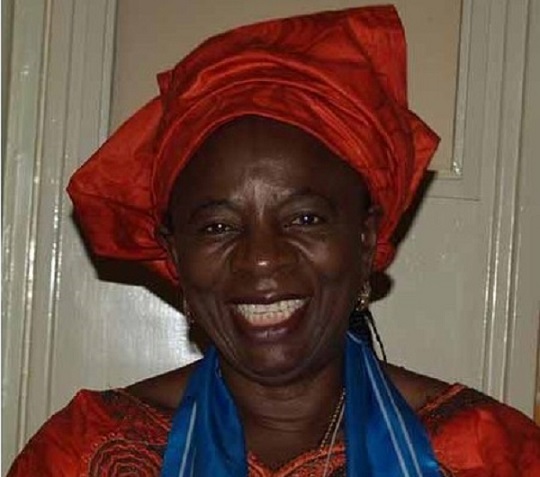
[Eucharia Madueke est une sœur de Notre-Dame de Namur dans la province nigériane avec une expertise en analyse sociale, mobilisation et organisation. Elle coordonne le Projet des femmes africaines du Réseau africain de la foi et de la justice.]
Source: Global Sisters Report...