Le chercheur jésuite explique d'autres formes de propriété foncière en Afrique du Sud
Le chercheur jésuite explique d'autres formes de propriété foncière en Afrique du Sud
Conférence des évêques catholiques d'Afrique australe (SACBC) || Par Matsepane Morare, SJ || 10 mai 2017
Document d ' information 430
Mai 2017
Autres formes de propriété foncière
1. Présentation
L'histoire de la dépossession des terres en Afrique du Sud a été discutée et étudiée et analysée pendant des années. La terre a été l'une des questions majeures de la lutte contre le colonialisme et l'apartheid, et donc aussi un point de discorde important lors des négociations qui ont donné naissance à la Constitution du pays en 1996. Cela a conduit à ce que l'on a appelé la « clause de propriété » dans la Charte des droits, et a donné lieu à de nombreux arguments et différends sur ce que la Constitution dit réellement sur la question de la dépossession de terres et de la réparation par l'État. La plupart des gens acceptent que les régimes de propriété foncière en Afrique du Sud sont inégaux, injustes et préjudiciables au tissu et au fonctionnement de la société. En outre, la propriété foncière est largement considérée comme un moyen crucial de lutter contre la pauvreté et les inégalités sociales dans le pays. La question qui se pose est donc de savoir comment modifier les régimes de propriété et inclure les personnes précédemment exclues.
2. La clause foncière
La Constitution provisoire de 1993 ainsi que le paragraphe 7 de l ' article 25 de la Constitution de 1996 et la loi 22 de 1994 sur la restitution des droits fonciers traitaient tous de la dépossession des terres. On fait souvent valoir à tort que l'article 25 de la Constitution non seulement protège les propriétaires fonciers et consacre leur droit à la propriété foncière, mais aussi qu'il constitue le principal obstacle à la réforme foncière et à la restitution des terres. L'article a également été interprété à tort comme signifiant que les terres ne peuvent être acquises que par le biais du principe du «vendeur volontaire». Toutefois, tout ce que dit l'article, c'est que nul ne peut être privé arbitrairement de ses biens; chaque fois que des terres sont récupérées ou expropriées, comme le dit le paragraphe 25(2)
Le processus doit être correct sur le plan procédural et juste pour tout le monde. En fait, le paragraphe 25(7) confère clairement un droit de propriété à ceux qui ont perdu leurs terres en vertu de lois injustes antérieures et demande clairement que ces droits soient réparés. Même si la Constitution était modifiée pour permettre l'expropriation sans compensation, l'État devrait encore satisfaire à l'exigence constitutionnelle selon laquelle le processus doit être juste et équitable pour tous.
3. Politiques passées
Le programme de restitution des terres pour l ' après-1994 a été soumis à trois restrictions importantes. Premièrement, il avait une date butoir de 1913; deuxièmement, l'accent était mis sur les dépossessions communautaires majeures qui pouvaient très facilement être confirmées historiquement; et enfin, il y avait un point final le 31 décembre 1998, après quoi les revendications ne pouvaient être faites. Par conséquent, les terres prises avant 1913 et les terres prises à des groupes et/ou individus plus petits qui n'avaient ni la capacité ni les preuves de dépossession, ne pouvaient pas être restaurées. De plus, les particuliers et les collectivités qui, pour diverses raisons, n'avaient pas réussi à présenter de demandes d'indemnisation au cours des quatre années qui ont précédé décembre 1998 ont été exclus. Pour répondre à certaines de ces préoccupations, le processus a été rouvert en 2014, mais il s'est arrêté en raison de contestations judiciaires. Cela signifie que beaucoup de ceux qui n'avaient pas les moyens de récupérer des terres qu'ils avaient perdues, ou qui avaient simplement été empêchés de posséder légalement des terres par le passé, restent sans terre.
Mais quel est l'état actuel de la propriété foncière?
4. Propriété et autres formes de propriété
Certains ont fait valoir qu'il n'est pas nécessaire que les gens possèdent des terres, mais plutôt que leurs droits d'accès soient garantis.
Il existe de nombreuses formes de propriété foncière en Afrique du Sud, la propriété foncière directe étant l'une des formes de propriété foncière de type BP 430 :
d'eux. Parmi les autres formes d'occupation, mentionnons les terres communales (comme dans les associations de propriétés communautaires), les terres communes, les coentreprises et diverses formes de location ou de location.
«Le régime foncier désigne les conditions de détention, d'utilisation et de transaction des terres et, comme indiqué, il s'agit d'un concept plus large que la simple propriété foncière.
Son objectif principal est de renforcer et de garantir les droits fonciers des peuples, quels qu'ils soient. Les règles d'occupation indiquent comment les droits de propriété doivent être attribués à la société. Cela vise à éviter les dépravations et les expulsions arbitraires, l'absence de terres et l'insécurité générale des biens, ainsi qu'à faire en sorte que les titulaires de droits puissent investir dans les terres et les utiliser de manière durable.
4.1 Terrains communautaires 1
La politique foncière communautaire porte sur les régimes fonciers qui touchent principalement les terres rurales occupées par les communautés africaines. Il s'agit non pas de la propriété, mais de l'utilisation des droits dont jouissent les communautés. «La propriété communautaire signifie la relation collective entre les personnes et leurs terres partagées. La politique vise à réformer le régime communal afin d'assurer la sécurité des droits fonciers et des relations de production des personnes résidant dans les zones communales en établissant des droits d'utilisation institutionnalisés, en particulier pour les ménages et les autres usagers, qui seront ensuite administrés par des conseils traditionnels dans des zones qui respectent le droit coutumier ou la propriété communautaire en dehors de ces conseils.
Bien que les valeurs qui sous-tendent ce système soient considérées comme la continuation d'anciennes formes de régime foncier traditionnel dans les communautés africaines, la question de savoir qui possède réellement la terre est toujours contestée. Il n'y a pas de consensus clair quant à savoir si la terre appartient à l'État, aux conseils tribaux, aux chefs et aux autres chefs traditionnels, ou aux communautés qui vivent sur la terre.
4.2 Terres communes
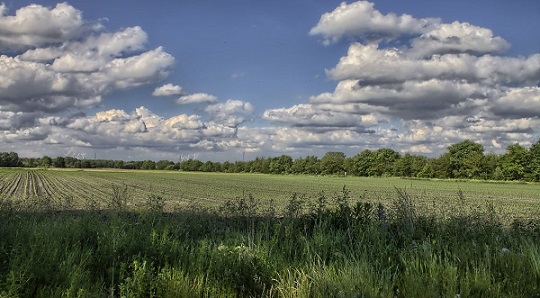
Le terme communage désigne les terres appartenant à une municipalité dans le cadre du Programme communal de 1997 du Département des affaires foncières, où les terres ont été utilisées principalement par les agriculteurs pauvres ou de subsistance pour faire paître le bétail et pour l'exploitation à petite échelle. Les agriculteurs de subsistance sont ainsi en mesure d'utiliser le communage pour compléter leur revenu, ainsi que pour assurer la consommation des ménages. La commune était considérée comme un tremplin vers des formes plus commerciales d'agriculture, mais aussi pour donner aux agriculteurs de subsistance l'accès aux terres agricoles sans qu'ils aient réellement à acheter ou posséder de grandes parcelles de terres pour leur usage exclusif. 2
4.3. «Un hectare Un ménage»
Un programme similaire est appelé «Plan d'un seul ménage hectare», où un hectare de terres est alloué à chaque ménage dans le besoin. Les terres qui seront attribuées seront acquises par l'État et arpentées, et des plans d'utilisation des terres seront élaborés, avec un titre de propriété délivré à chaque ménage. Tout terrain excédentaire laissé après l'attribution de l'hectare à chaque ménage, sera la propriété de la collectivité et sera désigné à des fins collectives. L'idée est alors de promouvoir la formation de coopératives liées aux parcs agricoles. 3
4.4. Entreprises communes
Il existe plusieurs régimes collectifs, allant du renforcement des droits relatifs des travailleurs du Land (c'est-à-dire le régime d'action volontaire 50/50), à d'autres régimes d'actionnariat d'équité et à l'agriculture hors ferme/contrat.
Ces projets font référence à l'octroi par le gouvernement de subventions à la réforme foncière aux nouveaux agriculteurs afin de leur permettre d'acquérir des parts dans des entreprises agricoles existantes. Toutefois, cela ne comprend pas les droits de propriété foncière. L'idée qui sous-tend les coentreprises est qu'une aide ou des investissements extérieurs sont nécessaires pour soutenir l'agriculture et améliorer la productivité et les moyens de subsistance. De telles initiatives pourraient être en mesure d'offrir au développement durable des communautés locales sur une période donnée.
Ces formes de «propriété» ont fait l'objet de critiques principalement parce qu'elles n'incluent pas réellement la propriété de la terre ou de la ferme, mais simplement fournir des capitaux propres dans ce qui appartient à quelqu'un d'autre. Ainsi, la relation entre les différents partenaires devient inégale. Certains ont fait valoir que la relation entre les agriculteurs majoritairement blancs qui possèdent la terre et les nouveaux agriculteurs noirs qui possèdent l'équité se caractérise par des attitudes paternalistes. Pire encore, les nouveaux associés n'ont pas leur mot à dire dans la gestion de la ferme, et comme ils n'ont aucun droit de résidence sur la terre, ils peuvent en être expulsés4.
4.5 Propriété individuelle
La propriété individuelle des terres est la forme la plus courante de propriété, et la plupart des terres agricoles sont souvent détenues individuellement et transmises par l'intermédiaire des familles. C'est la forme qui domine BP 430: Autres formes de propriété foncière 3
2 http://www.plaas.org.za/sites/default/files/publications-pdf/ELARSA%2005.pdf
4 Boyce Tom, chercheur au TCOE : Présentation à la table ronde de l'ACLO sur les formes alternatives de propriété foncière. 15/03/2017, Hôtel Townhouse, Cape Town.
Le présent document d'information, ou une partie de celui-ci, peut être reproduit avec reconnaissance.
Pour de plus amples renseignements, veuillez communiquer avec l'administrateur du bureau de l'OCSP.
le marché du logement, où il est soutenu par la possession de titres et le système cadastral. On a tenté de promouvoir cette forme de propriété même pour les terres communales traditionnelles, sans doute pour permettre qu'elles soient utilisées comme garanties bancaires, facilitant ainsi l'activité économique avec les terres comme biens. Ceux qui s'opposent à la transformation de la propriété foncière communautaire en propriété foncière individuelle mettent en évidence la complexité des conflits familiaux et entre les sexes, et la possibilité que des terres soient vendues par les pauvres, les laissant ainsi que leurs familles encore plus démunies.
4.6 Propriété du groupe
D'autres formes de propriété collective ont été jugées, notamment les fiducies et les associations de propriété communautaire (APC). Parce que ce sont des formes réelles de propriété, et pas seulement d'équité, ils ont l'avantage que tout le monde a la même voix. Cependant, comme tout ce qui appartient à la collectivité, il est souvent très difficile de parvenir à un consensus. Il y a eu d'autres problèmes avec ces systèmes et de nouveaux amendements législatifs sont actuellement devant le Parlement pour relever certains des défis.
Parallèlement à cette forme de propriété, en particulier des terres agricoles, divers programmes sont mis en place pour soutenir les personnes précédemment exclues du développement des terres. Ces programmes comprennent la subvention pour l'acquisition de terres visées par le règlement et la redistribution de terres pour le développement agricole. Il convient de noter que le gouvernement a également mis en place des régimes d'occupation où l'État possède les terres et les loue aux bénéficiaires pour la production, se réservant le droit de révoquer le bail si les bénéficiaires ne fournissent pas en termes de production. Le système d'acquisition de terrains (PLAS) est l'un de ces systèmes, dans le but de louer les terrains plutôt que de les transférer.
5. Conclusion
Il y a ici plusieurs points importants. La première est que, avec des terres communes et communales, l'accès ne dépend pas de la propriété. Cette distinction est importante parce que, pour de nombreuses personnes et communautés, la question de la propriété est secondaire à la question de l'accès. Ainsi, cela n'a pas nécessairement d'importance pour les groupes qui possèdent effectivement la terre tant qu'ils y ont accès pour répondre à leurs besoins en matière de développement, d'économie et de société. Par conséquent, la question des autres formes de propriété est dépassée par d'autres formes de propriété, c'est-à-dire d'autres formes de garantie des droits d'accès à la terre, au-delà de la propriété de la terre.
Mais la question de la propriété effective est importante pour de nombreuses autres raisons. Elles vont de la capacité de commercer des terres parce qu'on en est propriétaire en fait, au droit de décider comment les terres peuvent et doivent être utilisées parce qu'on en est propriétaire, à la capacité de léguer des terres à des enfants ou à la génération suivante, à la capacité d'utiliser les terres pour toute activité sociale et économique qui permet le développement, au pouvoir de déterminer l'accès social des autres. Mais plus important dans un pays avec l'histoire de la dépossession d'Afrique du Sud, la propriété de la terre permet un récit de guérison de libération et de justice réparatrice où ceux qui avaient été dépossédés auparavant peuvent vraiment dire que la terre leur a été rendue. Et même au-delà de ce récit, les inégalités flagrantes et raciales qui dictent encore notre géographie spatiale peuvent commencer à être réduites et normalisées.
______________________________________________________________________________
Matsepane Morare SJ
Chercheur
Sondré Bailey
Stage de recherche
Sondré Bailey est maître en sciences politiques à la
Université Western Cape, qui termine actuellement un semestre
stage au CPLO.
Source: SACBC...