Une semaine au Kenya lance un défi aux Américains sur l'Église
Une semaine au Kenya lance un défi aux Américains sur l'Église
Crux || Par John L. Allen Jr. || 10 décembre 2017
En général, il est probablement exact de dire que l'expérience sur le terrain du monde en développement pose souvent un défi assez dur à la façon dont les Américains pensent les choses, y compris l'Église catholique.
Le catholicisme est en déclin ? Visitez une grande partie de l'Afrique et des régions d'Asie, où le plus grand mal de tête suit le rythme de la croissance en rupture. Pensez que les chrétiens ne peuvent pas être en danger dans les endroits où ils sont une majorité? Considérez l'Amérique latine, où le Mexique et la Colombie sont les endroits les plus dangereux de la terre pour être un prêtre catholique.
Le catholicisme romain aujourd'hui est une religion mondiale lointaine avec 1,3 milliard d'adeptes, dont plus des deux tiers vivent en dehors de l'Occident. Au 21ème siècle, considérant d'autres perspectives en pensant à l'Eglise n'est pas seulement une courtoisie, c'est une stratégie de survie.
Plus tôt cette année, j'ai fait valoir ce point après avoir visité le Liban. La même vérité a été renforcée cette semaine pendant que mon collègue Crux Inés San Martín et moi étions au Kenya, visitant Mombasa, la deuxième ville du pays sur la magnifique côte de l'océan Indien, et Lodwar, une ville pauvre et brûlante de 50 000 habitants dans le nord, en grande partie désert, et le centre pour le peuple pastoral et encore largement isolé Turkana.
C'était une expérience éblouissante, épuisante et révélatrice, et beaucoup trop multicouche pour une synthèse rapide. Néanmoins, voici trois premiers départs.
Gauche c. droite
Supposons que je vous ai dit que je connais un prélat kényan qui a consacré sa vie à servir la zone la plus pauvre d'un pays connu pour la pauvreté chronique, qui se soucie profondément de l'environnement et de l'impact du changement climatique sur des questions telles que l'accès à l'eau potable, et qui a risqué sa vie pour agir comme paceur entre des groupes tribaux concurrents dans des camps massifs de réfugiés.
Beaucoup d'Américains diraient probablement : "C'est un vrai libéral."
Supposons que j'aie dit que j'avais rencontré un prélat kenyan qui appartient à Opus Dei, qui met fortement l'accent sur le sérieux de la vie sacerdotale, qui pense que les bases spirituelles et amener les gens à la foi sont d'une importance vitale, et qui a peu d'intérêt pour ce qui se passe dans l'avant-garde théologique. La réaction serait probablement, "C'est un conservateur classique."
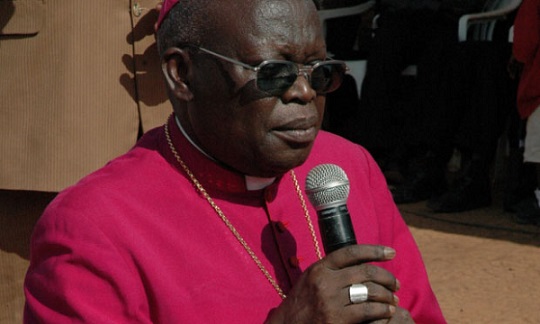
Tout ce qui précède est vrai de l'évêque Dominic Kimengich de Lodwar, et il est à peine seul. Il a ri doucement quand je lui ai demandé s'il se considérait comme "libéral" ou "conservateur", me regardant et finalement disant: "Ici, ces catégories ne s'appliquent pas."
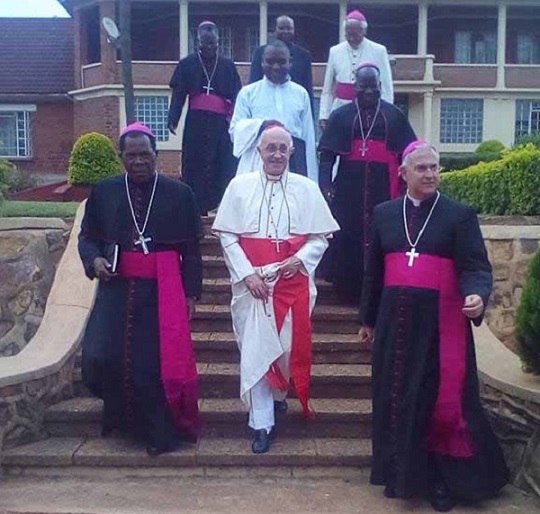
Ou, prenez l'archevêque Martin Kivuva Musonde de Mombasa.
Une minute, Kivuva se vantera d'un récent film produit par l'archidiocèse défendant le mariage traditionnel, et le prochain il sera en train de discuter des derniers efforts pour promouvoir l'harmonie et la paix interreligieuses. C'est une cause très progressiste à Mombasa, une ville religieusement mixte dans laquelle catholiques, musulmans, pentecôtistes et évangéliques, adeptes de religions traditionnelles et hindous ont tous des empreintes importantes, et tous aujourd'hui sont sous l'ombre de menaces transfrontalières du groupe terroriste Al-Shabaab dans la Somalie voisine.
Dans les yeux de Kivuva, il n'y a rien de prédestiné au conflit religieux. Les vraies lignes de bataille, dit-il, ne courent pas entre musulmans et chrétiens, mais entre modérés et radicaux – et Kivuva avertit, il y a des instincts radicaux dans toutes les traditions.
Interrogé s'il est frustré par la façon dont les Occidentaux ont tendance à lire l'église africaine à travers leurs propres yeux, il rit, disant que les crises et les besoins qu'il essaie de résoudre chaque jour, tant pour son troupeau catholique que pour la ville dans son ensemble, sont beaucoup trop urgents pour laisser beaucoup de reste pour s'inquiéter de la façon dont les Occidentaux perçoivent ce qu'il fait.
Cependant, il ajoute ceci: "Il s'agit d'un monde très différent de l'Occident, et les façons de voir les choses doivent s'adapter ... si vous me demandez si je suis un «libéral» ou un «conservateur» J'aurais à dire, «les deux."
Femmes
Par réputation, l'Afrique est souvent considérée comme un environnement à prédominance masculine, et donc l'église catholique ici. Pourtant, notre expérience cette semaine suggère qu'une grande partie de l'avenir du catholicisme africain dépend de ses femmes.
À Mombasa, nous avons visité le Centre de la Sainte Famille à l'église catholique St. Martin, qui a pour but le plus grand bidonville de la ville. Bien que la paroisse n'ait pas actuellement d'école, elle a obtenu un centre pour les enfants en dehors des heures d'école et pendant les pauses, et elle voit toute la gamme des défis – l'alcool et la toxicomanie, les victimes de la traite des êtres humains et de la prostitution, les enfants abandonnés ou marginalisés parce qu'ils sont séropositifs, et juste la pauvreté fondamentale.
Le centre est dirigé par un membre des Filles de l'Amour Divin, un ordre qui a servi dans la paroisse depuis 2004, nommé Sœur Pauline Andrew. Quand nous sommes arrivés mardi, elle avait organisé une réception avec des chansons, des danses et des robes traditionnelles.
Le centre attire des enfants de plusieurs tribus qui composent la ville complexe patchwork ethnique, en faisant une sorte d'expérience de laboratoire en coexistence.
Soeur Pauline a des plans plus grands, espérant voir le centre grandir en une école primaire pleine-blown servi par huit membres de son ordre, qui vivrait dans un couvent voisin elle aussi travailler à se construire. À l'heure actuelle, elle et une autre religieuse font 14 kilomètres par jour pour travailler à la paroisse, et sœur Pauline a dit que le travail n'a pas lieu lorsque l'école est en marche.
Debout avec Soeur Pauline où le deuxième étage du nouveau couvent est censé aller dès qu'elle a l'argent, j'ai demandé pourquoi elle a choisi de faire un tel travail drainant et émotif. Elle regarde les plans de l'architecte comme si la question était impertinente, dit simplement « c'est là que Dieu me veut » et se lance dans une explication détaillée de ses plans pour modéliser l'agriculture urbaine à petite échelle et durable en utilisant la terre à l'école et au couvent pour cultiver.
Pendant ce temps à Lodwar, j'ai visité la Maison d'hôtes de Bethany et un centre de formation adjacent pour les religieuses aspirantes, membres des Sœurs du Bon Pasteur de l'Immaculée Conception, un ordre fondé sous Kimengich.
Là, j'ai rencontré Soeur Giovanna, qui dirige le centre de formation, et Soeur Magdalene, qui dirige la maison d'hôtes. Ils parlaient passionnément de la formation de la prochaine génération de religieuses pour sortir et évangéliser, enseigner et servir. Ils ont également décrit leur objectif d'enseigner à ces jeunes filles des compétences commerciales pour leur autonomie, afin qu'elles puissent les transmettre aux autres.
Sœur Magdalene nous a guidés dans le centre de formation, expliquant ce qui a déjà été fait et ce qui devra être fait rapidement. Là aussi, la croissance est un défi majeur : ils ont cinq jeunes femmes en formation, et huit autres devraient arriver l'année prochaine.
Soeur Magdalene, elle aussi, projeta une détermination calme lorsqu'on lui demanda comment une telle entreprise pouvait sortir des rails.
« C'est ce que l'église a besoin de moi », a-t-elle dit en voyant l'effort à travers – comme si l'église ayant besoin de quelque chose, et alors la livrant, était axiomatique.
Dites ce que vous voulez de ces femmes et de leurs rêves, mais une chose est sûre : des termes comme « subservent », « non critique » et « citoyen de seconde classe » ne s'appliquent tout simplement pas.
Petit apport, gros résultats
Dans un monde encombré par des appels pour des causes charitables, il est naturel de se demander de temps en temps combien de ces tenues font réellement une différence sur le terrain. Quiconque connaît l'Église dans un endroit comme le Kenya, cependant, peut vous dire que lorsque l'un de ces groupes charitables fonctionne bien, il ne faut pas beaucoup pour obtenir de grands résultats.
Plusieurs organisations catholiques internationales soutiennent le travail de l'Église à Mombasa et Lodwar, dont Miseror en Allemagne, Missio Aachen, la Société pontificale des Missions, etc. Notre voyage, cependant, a été sponsorisé par l'Aide à l'Eglise dans le besoin, une fondation papale consacrée au soutien de l'église persécutée et souffrante dans le monde, et c'est donc leur empreinte ici qui est la plus claire pour moi.
Nous avons vu un certain nombre de projets L'aide à l'Eglise dans le besoin est un soutien, des couvents et des écoles aux centres de formation des religieuses. Un qui a laissé une impression particulièrement profonde était leur soutien pour payer des allocations de messe aux prêtres de Lodwar, où les prêtres doivent avoir l'esprit marin pour survivre – c'est un endroit pauvre, oublié, chroniquement sous-développé qui couvre de vastes distances, et si vous n'êtes pas prêt à aller littéralement le mile supplémentaire, vous n'y arriverez pas.
Une grande partie du travail de ce diocèse est l'évangélisation primaire, apportant l'Evangile pour la première fois au peuple isolé, pastoral Turkana. Le reste est consumé par la pauvreté, les pénuries d'eau, la sécheresse et la famine, et les conflits ethniques. C'est un endroit impitoyable, si aussi étrangement convaincant, et les gens ici regardent les prêtres non seulement comme des pasteurs, mais comme des médiateurs à qui tous les problèmes de la vie peuvent être dirigés.
Nous avons eu le privilège d'apprendre à connaître plusieurs prêtres de Lodwar, cette semaine, et à un moment, au cours du déjeuner, notre conversation a tourné vers l'argent. J'ai dit que l'aide à l'Église dans le besoin a aidé à couvrir les allocations de la messe, et je me demandais combien ils étaient.
Le père Isaiah Ajiri, venu d'Ouganda il y a 15 ans pour servir à Lodwar et travaille maintenant dans le centre pastoral diocésain en plus d'aider dans la paroisse de la cathédrale et de prendre soin de plusieurs « stations extérieures » éloignées, m'a dit qu'il travaille habituellement à environ $100 par mois, donc environ $1 200 par an.
Casuellement, j'ai demandé si cela avait l'intention d'être de l'argent de poche pour le prêtre, en plus de ce qu'est son revenu de base. Ajiri et le père Joseph Ekalimon, le vicaire général du diocèse, ont hésité, peu sûr de ce que je demandais.
"C'est comme ça que ça se passe," dis-je. "Quel est le salaire du prêtre dans ce diocèse ?"
Ajiri et Ekalimon ont éclaté rire, et finalement Ekalimon a récupéré assez pour expliquer qu'il n'y a pas de salaire prêtre ici – que $1 200 de l'allocation est un prêtre de revenu annuel total, et il est prévu de couvrir non seulement ses besoins, mais ceux des personnes qui viennent à lui pour l'aide.
Tout en, l'aide à l'Église dans le besoin part du projet de loi pour les allocations chaque année vient à environ $60 000, ce qui en fait le poste le plus important des budgets annuels de la plupart des organisations. Pour ce qu'ils achètent dans un endroit comme Lodwar, cependant, ces dollars font un coup impressionnant.
Changer le monde, en d'autres termes, ne doit pas toujours être à propos de choc et d'admiration. Parfois, il peut s'agir d'aider un prêtre missionnaire à mettre un pied devant un autre.
Source: Crux...