SECAM calls for greater transparency in the governance of mining activities
A two-day Conference on Dialogue and Mediation in Mining-Affected Areas has concluded in Harare, Zimbabwe, with a strong call for greater transparency, environmental justice, and community participation in the governance of mining activities across Zimbabwe and the wider Southern African region.
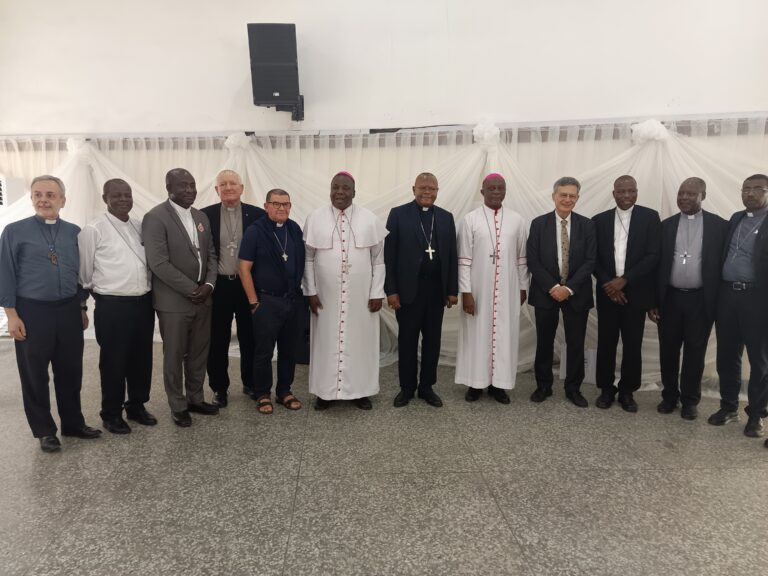
This conference took place at the Africa Synod House in Harare from June 3 to 4 under the theme, “Promoting Peace, Environmental Justice, and Community Resilience.” Organized by the Symposium of Episcopal Conferences of Africa and Madagascar (SECAM) in collaboration with the Inter-Regional Meeting of the Bishops of Southern Africa (IMBISA) and the Zimbabwe Catholic Bishops’ Conference (ZCBC), this programme permit to reflect on the social, economic, and environmental consequences of extractive activities.
“Mining must be stewardship, not exploitation”
Guided by the biblical call, “Let justice roll down like waters, and righteousness like an ever-flowing stream” (Amos 5:24), participants, more than thirty, emphasized that the benefits of mining must reach local communities.
A communiqué released at this conference stressed that “mining must be stewardship, not exploitation,” echoing the ecological vision of Pope Francis in Laudato Si’ encyclical. Participants expressed concern that many communities remain impoverished despite living in mineral-rich areas. They cited broken promises by investors, outdated mining legislation, weak corporate accountability, environmental degradation, displacement of families, and the exclusion of women, youth, and persons with disabilities from decision-making processes.
Greater community participation
The conference resolved to advocate for stronger transparency and accountability measures, including reforms to mining laws and the publication of mining revenues. Delegates also called for accessible dispute-resolution mechanisms, revitalized local development committees, and greater community participation in mining governance.
In a strong appeal to all stakeholders, the communiqué stated that “governments, companies, civil society, and communities must act together.” It urged mining companies to respect local cultures, protect the environment, and provide fair compensation to affected communities.
Concluding the conference, participants affirmed their commitment to transforming mining from a source of conflict into a pathway toward peace and justice. Quoting the words of Scripture, they proclaimed: “Do not pollute the land where you are” (Numbers 35:33), reaffirming their determination to protect creation and ensure that future generations inherit a world of dignity, abundance, and hope.
Charles Ayetan
———————
Download the Conference Communiqué here: Communique on Promoting Peace Environmental Justice and Community Resilience_Harare (Zimbabwe)