SECAM Celebrando ACI África às 5: Cabeças no Céu com Pés Firmes no Campo
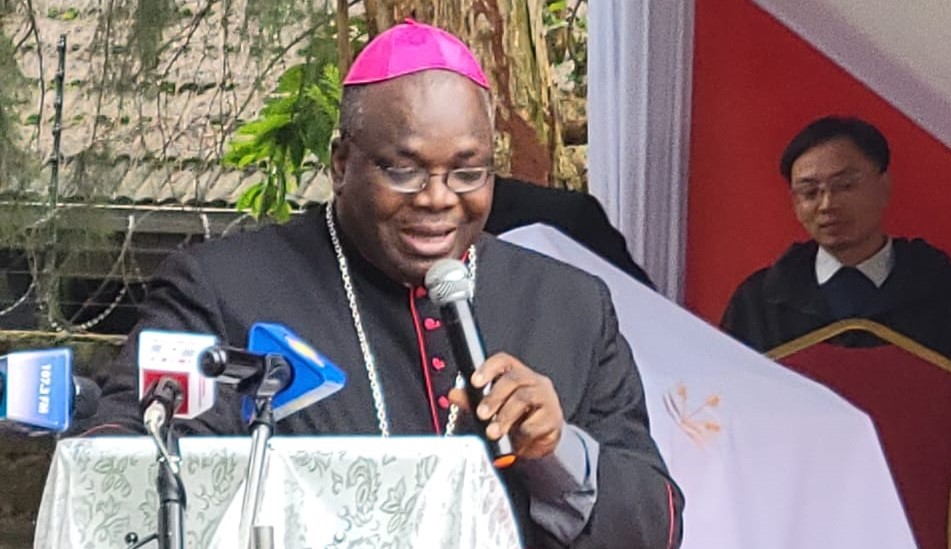
Por ocasião do 5o aniversário da Associação de Informação Católica em África (ACI África), 9 de agosto de 2024, no JJ MacCarthy Centre, Riverside Drive, Nairobi Quênia, a maior parte do reverendo Emmanuel Adetoyese Badejo, bispo de Oyo e presidente do Comitê Episcopal Pan-Africano de Comunicação Social (CEPACS), apresentou um discurso-chave.
Abaixo está o discurso do Chefe do CEPACS, o Departamento de Comunicação do Simpósio das Conferências Episcopais de África e Madagascar (SECAM).
Abaixo está o discurso do Chefe do CEPACS, o Departamento de Comunicação do Simpósio das Conferências Episcopais de África e Madagascar (SECAM).
——-
Celebrando a ACI África às 5: Cabeças no Céu com Pés Firmes no Campo
Um discurso de abertura do Reverendo Emmanuel Adetoyese Badejo,
Excelência, D. Wallace Ng’ang’a, Bispo Auxiliar da Arquidiocese de Nairobi e Presidente da Comissão de Comunicação Social, Conferência dos Bispos Católicos do Quênia (KCCB)
Excelências, Sr. George Wirncka, Director de Marketing da EWTN Africa,
Rev. Pe. Dom Bosco Onyalla, Diretor e membros da Associação de Informação Católica (ACI) África,
Membros da família EWTN,
A Fraternidade da Mídia,
Distintos convidados aqui presentes,
É uma grande honra e prazer para mim aqui hoje representar o Simpósio das Conferências Episcopais da África e de Madagascar (SECAM) e, especificamente, o seu Presidente, Sua Eminência, o Cardeal Fridolino Ambongo Besungu, o Arcebispo de Kinshasa. Dou este discurso fundamental como Presidente da Comissão Episcopal Pan-Africana para a Comunicação Social (CEPACS) a comissão que representa o SECAM no apostolado de comunicação da Igreja na África para assinalar esta ocasião auspiciosa da celebração do 5o aniversário da ACI África, que nestes anos, emergiu como uma jóia do apostolado de comunicação da Igreja na África. Trago-vos calorosas felicitações e boa vontade de todos os que represento aqui como Convidados Especiais.
ACI: A viagem até aqui
Distintos convidados, cinco anos na vida de qualquer organização podem realmente soar como apenas um curto período de tempo. No entanto, quando os objectivos para os quais essa entidade foi estabelecida foram amplamente bem centrados, como no caso da ACI, então a celebração, mesmo com 1 ano de idade, é aceitável se não for totalmente expediente.
O lançamento da ACI África, formalizado sobre a Solenidade da Assunção da Bem-Aventurada Virgem Maria de 2019, revelou-se um evento importante para a Igreja. O Pioneer Editor-Chefe, o Rev. Pe. Dom Bosco Onyalla, que facilitou a sua descolagem, já tinha adquirido uma experiência valiosa como editor-chefe da Catholic News Agency for Africa (CANAA), uma agência de notícias criada e patrocinada pela SECAM que estava passando por tempos difíceis. Para boa sorte, a ACI foi criada como uma rede de notícias da Eternal Word Television Network (EWTN), fundada pela Madre Angélica, PCPA, em 1981, que então se tornou uma rede formidável tendo existido por 28 anos. Essa experiência contou bem para a ACI. Aplaudo e agradeço à EWTN, que atualmente é o maior apostolado de mídia católica do mundo com seus diversos meios de comunicação (canais de TV, redes de rádio, publicação, notícias e presença de mídia digital) atingindo mais de 435 milhões de casas em 160 países e territórios.
Dentro destes cinco anos agitados, a ACI África fez bons progressos, relatando eventos em África e suas ilhas sob uma perspectiva católica, em inglês e francês, e procurando fazê-lo em breve em português, atendendo assim aos três grupos de línguas oficiais da SECAM. É animador saber que, desde a sua fundação, a ACI publicou mais de 11.000 histórias para evangelização e informação do povo de Deus com forte presença e seguidores nas redes sociais.
Quando a ACI África foi lançada, a Igreja na África havia desejado uma plataforma de notícias que pudesse realizar a visão da SECAM articulada durante a criação do CEPACS em 1973 em Ibadan, Nigéria, que se poderia dizer, representou o lançamento formal do apostolado de comunicação na África. Essa visão, atualizada no Sínodo dos Bispos para a África em 1994, exigiu que a Igreja na África coordenasse sua atividade mediática, buscasse a solidariedade pastoral orgânica e projetasse a identidade e o espírito da Igreja como Família de Deus. Estes mesmos sentimentos foram actualizados e actualizados em diferentes ocasiões até à data. A assembleia geral do CEPACS, realizada durante seu 50o aniversário em novembro de 2024 em Lagos, Nigéria, aludiu a esse fato em suas recomendações finais, destacando a importância de "Reconhecer o nobre papel da comunicação social no aprofundamento da fé e no avanço do espírito do Sínodo sobre a sinodalidade no continente".
Em outras palavras, a Igreja desejava entidades midiáticas que apoiassem sua missão de evangelização, projetassem seu perfil pastoral como Família de Deus e promovessem uma saudável troca sinodal na Igreja em todo o continente, ao mesmo tempo que "ajudavam a África a contar sua própria história" ao mundo.
Felicito a EWTN e todos os seus visionários que, estabelecendo a ACI África, reconheceram a importância do testemunho e da experiência pastoral da Igreja na África e, por isso, investiram louvávelmente na ampliação da voz da Igreja aqui. A validade desta decisão manifesta-se claramente na contribuição da África para o processo contínuo do Sínodo sobre a sinodalidade, o seu testemunho da santidade da vida e do sacramento do matrimónio, para não mencionar a importância de trazer valores africanos de solidariedade e a alegria de viver para o mundo inteiro.
ACI: Como as coisas estão hoje
O trabalho da ACI, que relata gratuitamente informações de dioceses católicas, instituições, líderes religiosos, sacerdotes, religiosos e fiéis leigos, desde a África até o mundo inteiro, tem aumentado muito a exposição e a consciência da obra e da vida da Igreja na África. Ela tem encorajado e inspirado numerosos agentes pastorais e fiéis, que agora sabem que as notícias sobre as simples atividades evangelizadoras e pastorais que realizam nas próprias bases podem chegar a qualquer parte do mundo.
ACI, como agência de notícias católica emblemática na África, assim já apoia o objetivo do Sínodo sobre sinodalidade sobre os fiéis que se movem mais juntos em participação, comunhão e missão. Ouvi dizer que os meios de distribuição dos meios de comunicação social podem mudar, mas o bom jornalismo não pode mudar. Tenho o prazer de dizer que a ACI melhorou os meios e o conteúdo do bom jornalismo católico nestes cinco anos. Mais uma vez, dou parabéns ao editor-chefe e aos seus colaboradores.
Ouso dizer que a visão do fundador da ACI Prensa, em Lima, Peru, o missionário comboniano Pe. Adalbert Marie Mohm, foi realizada até mesmo na Igreja na África. A visão do Padre Mohm era ter um fluxo de notícias católicas para o mundo secular e aumentar a visibilidade da Igreja católica na praça pública para ajudá-la a servir a missão da Igreja. Graças a Deus pela ACI África e rezo com a oração do Sínodo: "Que o Espírito Santo nos ensine o caminho que devemos seguir a partir de agora, e como devemos prosseguir esta visão" (Ad sumus).
Buscando um futuro melhor
Permitam-me agora que contribua com duas perspectivas importantes para este encontro de aniversário. Primeiro, peço que nos lembremos de que, sem comunicação, não há evangelização e não há Igreja, porque a comunicação é constitutiva do anúncio do Evangelho e da missão da Igreja. Esta verdade inatacável perdura mesmo nos três conceitos principais do tema global do Sínodo sobre a sinodalidade, a saber: comunhão, participação e missão. Em segundo lugar, quero chamar a nossa atenção para o apelo do próprio Sínodo para que a Igreja se torne uma presença cristã impactante no espaço digital. Espero que, ao fazê-lo, contribua para o roteiro e a sustentabilidade de uma visão futura para a ACI em África.
- O Divino, a Comunicação e a Missão da Igreja
Há uma citação famosa atribuída a Karl Rahner (1904-2004), um dos grandes teólogos católicos do século XX, que diz: "Nos dias que virão, você será um místico ou nada."[1] Rahner não está falando sobre um místico como alguém fechado em um mosteiro, mas uma pessoa batizada que experimenta Deus na vida real comum. É um homem ou uma mulher que está consciente da presença de Deus no dia-a-dia, uma pessoa batizada que está consciente de que há uma comunicação constante entre o Divino e a pessoa humana. Esta realidade Divina é aquele que faz da comunicação um elemento constitutivo para a felicidade, realização e satisfação de Sua criatura, o ser humano. Quando o ser humano se comunica com Deus no amor, chamamos essa oração, significa realmente que os dois estão em comunhão.
As implicações da teologia da comunicação de Rahner, em primeiro lugar, é que antes do desejo do ser humano de se comunicar com Deus, há o desejo de Deus de se comunicar com suas criaturas. A essência da comunicação de Deus é assim, o seu amor pela humanidade (João 3:17). É por isso que a comunicação não se realiza num vácuo, mas num contexto; no que está a acontecer na vida real; à nossa volta e dentro de nós.
O Instrumentum Laboris para a segunda sessão da XVI Assembleia do Sínodo dos Bispos sobre a sinodalidade, argumenta que, mesmo durante o caminho sinodal iniciado em outubro de 2021, devemos acreditar que Deus sempre esteve em diálogo com a Igreja – o povo de Deus. Mesmo nos momentos em que o caminho sinodal nos expôs a experiências dolorosas, Deus estava com o seu povo. Assim, encontramos esta passagem:
Através da sua Igreja, guiada pelo seu Espírito, o Senhor quer reavivar a esperança nos corações da humanidade, restaurar a alegria e salvar todos, especialmente aqueles cujos rostos estão manchados de lágrimas e que clamam a Ele em angústia. Seus clamores atingem os ouvidos de todos os discípulos de Cristo, homens e mulheres que andam nas profundezas dos assuntos humanos.
Neste sentido, as icónicas palavras iniciais de Gaudium Et Spes inspiram também a Igreja:
As alegrias e as esperanças, os pesares e as ansiedades dos homens desta época, especialmente aqueles que são pobres ou de alguma forma afligidos, estas são as alegrias e esperanças, as dores e ansiedades dos seguidores de Cristo. De fato, nada genuinamente humano deixa de suscitar um eco em seus corações.
Isto significa que Deus, cuja própria natureza é amor, não pararia em nada, Ele empregará cada pedacinho de Sua criação para se comunicar a qualquer momento tanto que um ser humano que cresce em íntima união com ele através da oração, descobre a presença Divina em cada faceta da experiência humana – em pesar ou ansiedade, alegria ou tristeza, pobreza ou riquezas, esperança ou desespero.[2]
Isto diz alguma coisa às casas de comunicação e aos comunicadores católicos? Claro que sim! Na verdade, Rahner ajuda a destacar a relevância e o significado da comunicação humana no contexto da nossa fé e ministério na Igreja. Neste mundo, espera-se que a Igreja defenda a comunicação autêntica nos passos de Cristo, o perfeito comunicador, cuja missão era ensinar tudo sobre a Boa Nova e o Reino de Deus.[3]. Com base nesse entendimento, a Constituição Dogmática da Igreja, Lumen Gentium, diz sobre a missão da Igreja:
Uma vez que a Igreja está em Cristo como um sacramento ou como um sinal e um instrumento de uma união muito estreita com Deus e da unidade de toda a raça humana, ela deseja agora desenvolver mais plenamente aos fiéis da Igreja e ao mundo inteiro a sua própria natureza interior e missão universal.[4]
Aqui, a Teologia da Comunicação sublinha a tarefa e a urgência de transmitir o Evangelho. Ali encontramos um imperativo para que os comunicadores da Igreja, entrem numa relação autêntica com Deus, para que possam comunicar com Deus e com Deus, desde a sua experiência pessoal e conhecimento, até ao seu povo especialmente marginalizado.
O que acontece quando um comunicador da Igreja ou casa de mídia não estabelece tal relação com Deus? Sem essa relação pessoal com Deus, um comunicador da Igreja só pode tornar-se um perigo para o povo de Deus; uma causa do ‘Número 1’ de desinformação e desinformação; um ateu cuja obra se torna idêntica aos andaimes da construção da Torre Babel. Tal casa de mídia ou comunicador da Igreja simplesmente não pode inspirar esperança ou dar testemunho da presença misteriosa de Deus entre Seu povo.
- Fazer Nossa Missão no Espaço Digital II
Nos últimos três anos, o caminho da sinodalidade destacou o facto de que a Igreja não tem apenas uma missão no mundo, mas que a sua própria natureza é missão. A Igreja existe para anunciar e testemunhar o Evangelho àqueles que não o conhecem, "com uma opção preferencial para os pobres, enraizada na missão de Cristo.[5] Nesta missão, o Sínodo insiste em que esta é uma responsabilidade partilhada entre os leigos e as leigas, aqueles na vida consagrada, e ministros ordenados, cada um segundo os seus carismas e vocação, alimentados pelo Espírito Santo. Consciente de que a comunicação é uma obra amplamente empreendida pelos leigos, o entendimento é que é responsabilidade de todos, através das plataformas de comunicação, conectar o povo com Deus, assim como os ministros ordenados e os homens e mulheres consagrados fazem através de outros apostolados.
Os Agentes Principais da Tarefa
Ao realizar esta tarefa, as instituições, os meios de comunicação católicos, os grupos, as associações e especialmente os académicos, profissionais e profissionais como aqueles sob a bandeira da SIGNIS África e outros parceiros cristãos têm enorme competência e responsabilidade. Eles devem trabalhar em conjunto e, de facto, ser um grande trunfo para a mensagem do Evangelho e para a missão da Igreja. O objetivo final é evangelizar o espaço mediático global com valores cristãos e humanos e ética. Alguns dias atrás, a ACI solicitou minha reação à paródia da pintura de Leonardo Da Vinci, "A Última Ceia", nas cerimônias de abertura dos jogos olímpicos em França. O presidente da Signis Africa, o professor Walter Ihejirika, agarrou-se à minha reacção e recomendou-a aos comunicadores católicos sob a égide de Signis. A CIA também fez disso uma boa história. Ambas as iniciativas impulsionaram a apologética em muitos canais globalmente como uma voz africana sobre a controvérsia. Não passou despercebido. Este é um exemplo positivo do que a colaboração poderia fazer pelo Evangelho e pelos Líderes da Igreja em assuntos de relevância religiosa.
Sou grato por essa colaboração que já é funcional entre SECAM e o grupo APO, de propriedade de um empresário católico, o Sr. Nicholas Pompine. O Grupo APO é o principal serviço de consultoria e distribuição de comunicações pan-africanas, que desde há 3 anos oferece cobertura mundial para histórias e eventos da Igreja Africana e oferece sessões de treinamento para comunicadores católicos africanos em habilidades de mídia modernas. Essa sinergia e colaboração devem trazer a ACI para trabalhar ainda mais na visão e competência do Dicastério de Comunicação e impulsionar o crescente apostolado de comunicação em África. Recomendo um desenvolvimento semelhante, especialmente em Signis Africa, que está agora a preparar-se para acolher um Congresso Signis em Kigali Ruanda em 2026. É a primeira vez que o continente africano sedia este evento global, verdadeira evidência de que o apostolado está fazendo progressos positivos em África. O evento Signis World trará os melhores profissionais de mídia de todo o mundo para experimentar a África em sua diversidade pastoral e riqueza. Convido a EWTN, nosso parceiro de longa data, ACI, e o Grupo APO a colaborar com a Signis Africa em sediar este histórico Congresso Mundial. Que poderoso e maravilhoso bem uma plataforma de comunicação católica seria para a comunicação pastoral nesta era da sinodalidade!
Em direção à plena presença
Este papel da mídia católica na comunicação é ainda mais urgente neste ambiente digital, que mudou a nossa percepção de muitas coisas, incluindo a percepção do tempo, do espaço, do nosso corpo e das relações interpessoais[6]. Este ambiente digital é uma nova fronteira para a Igreja, e só pode ser melhor compreendido ouvindo e trabalhando com os jovens, os Gen Zee, que têm a experiência profunda de crescer e viver nela. Eu vejo isso como uma preocupação também para ACI na fonte de conteúdo, relevante para esta geração. Signis África já está fazendo algum esforço na formação e motivando jovens jornalistas cidadãos entre os jovens para a colaboração na evangelização.
Felizmente, o Dicastério para a Comunicação, num importante documento publicado há menos de dois anos, intitulado "Para a Presença Completa: Uma Reflexão pastoral sobre o Engajamento com as Mídias Digitais", deu orientações sobre as considerações éticas relacionadas com as Mídias Sociais e o engajamento dos católicos dentro desse espaço para priorizar a comunicação autêntica como doação em amor. Tal exercício deve visar o primado da verdade, como afirma o documento:
Para comunicarmos a verdade, devemos primeiro certificar-nos de que estamos transmitindo informações verdadeiras; não só na criação de conteúdo, mas também na partilha dela. Temos de nos certificar de que somos uma fonte confiável. Para comunicar a bondade, precisamos de conteúdo de qualidade, uma mensagem orientada para ajudar, não para prejudicar; para promover ações positivas, não para perder tempo em discussões inúteis. Para comunicar a beleza, é preciso ter a certeza de que estamos a comunicar uma mensagem na sua totalidade, que precisa da arte da contemplação – uma arte que nos permite ver uma realidade ou um acontecimento ligado a muitas outras realidades e acontecimentos [7]
Essas valiosas perspectivas devem colorir o trabalho da ACI no fornecimento e circulação de conteúdo autêntico para engajamento com os meios digitais, também. Assim, a ACI pode ajudar os fiéis, especialmente os jovens a se tornarem co-criadores de conteúdos comunitários, menos preocupados com a agenda pessoal e com o interesse no espaço digital, como proposto pelo Dicastério.[8] Na realidade, é necessário que a mídia católica, como a ACI, seja mais ousada em propor considerações éticas sobre a Mídia Digital e gerar conteúdo para chamar a atenção para a questão.[9] Uma boa liderança pode ser tomada das palavras do Prefeito para o Dicastério de Comunicação da Santa Sé, Dr. Paolo Ruffini, quando apelou para que a Igreja assumisse um papel de liderança na formação do quadro ético para a inteligência artificial (AI), quando falou recentemente na 7a Convenção Nacional Católica das Comunicações Sociais nas Filipinas.
Obviamente, fazer missão no ambiente digital ainda é um desafio para nós na comunicação da Igreja Africana. Muitos líderes e pessoal da Igreja ainda precisam de apoio e treinamento para funcionar bem a este nível. A internet, as mídias sociais e todas as plataformas de comunicação digital têm um grande potencial para melhorar a vida das pessoas se aproveitados pela Igreja. Assim, o Sínodo insistiu em que é urgente considerar como podemos apoiar os jovens, mas também as famílias, e garantir que o espaço online não seja apenas seguro, mas também espiritualmente vivificante."[10] A este respeito, recorda-se a necessidade de evitar tendências individualistas e exploradoras que são encorajadas pelas plataformas virtuais. Em vez disso, a Igreja deve promover a interacção humana, a colaboração, a partilha e a partilha de recursos e, sobretudo, a colaboração para a missão da Igreja. Isto, na minha opinião, é uma carga urgente para todos os profissionais da mídia católica.
Devemos também considerar o tipo de conteúdo a que as plataformas de comunicação social católicas dão prioridade. A este respeito, Dom Patrick Kalilombe disse: "Não podemos ignorar as legítimas exigências daqueles que financiam a mídia, nem podemos nos dar ao luxo de negligenciar os gostos e expectativas do público,[11] especialmente os pobres. Com efeito, o Instrumentum Laboris afirma que o Sínodo revelou a necessidade de reconhecer a diversidade e a pluralidade como oportunidades de troca de dons numa Igreja unida sob o ministério petrino.[12] Num recente discurso à Signis Africa, sobre as implicações da sinodalidade para a comunicação, convidei os Comunicadores Católicos a rever as personalidades a quem oferecem (as suas canetas, microfones e lentes) cobertura, numa tentativa de descobrir a voz autêntica e abrangente e a experiência de toda a Igreja e ser fiel ao espírito do sínodo sobre levar ao longo daqueles à margem.[13] Estes devem incluir precisamente, a juventude, as mulheres, os livres à margem quer por solicitação ou comissionamento.
Para dar ênfase, enquanto devemos integrar as tecnologias digitais na comunicação da Igreja, precisamos também identificar os perigos que elas representam, para que não nos encontremos inimigos da autêntica comunicação humana e nos alinhem com uma situação em que a modernidade e o pluralismo se tornem idênticos à negligência da promoção dos valores espirituais da fé católica e das culturas africanas.
Conclusão
Para concluir, quero voltar ao que nos uniu hoje, o 5o aniversário da fundação da ACI África. Ninguém pode ignorar o impacto e o crescimento da ACI em tão pouco tempo. Devemos agradecer a Deus por tudo isso. Bravo, e continua! Ninguém pode ignorar o toque profissional em suas notícias online e a perspectiva estética de sua plataforma de notícias. Continua! Ninguém pode minar a riqueza da ACI online em termos de variedade de notícias de toda a África. No entanto, como se costuma dizer, o maior espaço do mundo é o espaço para melhorias! Por isso, peço-vos que arregacem as mangas como ainda há trabalho a fazer. Estou ciente de que também vós tendes os vossos numerosos desafios, ficaria surpreendido se não o fizestes, mas Deus vos mostrará como superá-los com fé e perseverança e a SECAM fará tudo o que puder para contribuir para resolvê-los nos próximos anos.
Neste modesto discurso expressei apreço e felicidades à ACI África durante estes 5 maravilhosos anos. Pedi-nos também que recordemos que a comunicação sem Deus no coração do comunicador se torna destituída do divino, elemento constitutivo da profissão e do ministério midiático na Igreja. Por fim, propus algumas coisas para tomar nota à medida que o futuro se desenrola no esforço da ACI para enriquecer o processo sinodal enquanto projeta a vida da Igreja na África. Portanto, esforcemo-nos por nos tornar «Místicos, mas contemporâneos Comunicadores», para que os nossos ministérios de comunicação sejam marcados pelo amor e paixão de Deus pela missão que Cristo nos deixou, que agora são «os missionários digitais», discípulos no ambiente digital. Como santos autênticos, exorto todos os ligados à ACI África a, nos próximos anos: "Ponham as vossas cabeças no céu, mas os vossos pés firmemente plantados aqui no chão".
Obrigado por ouvir/ler.
Viva a África ACI!
EWTN de longa vida
Viva a Igreja Católica!
Pelo Reverendo Emmanuel Adetoyese Badejo,
Bispo de Oyo e Presidente da Comissão Episcopal Pan-Africana de Comunicação Social (CEPACS), Departamento de Comunicação da SECAM.
——-
NOTAS
[1] Robert Choiniere. Paróquia Noiva, 2024, p. 25 esq.
[2] Concílio Vaticano II. Gaudium et Spes: Constituição Pastoral da Igreja no Mundo Moderno, 1965, #1.
[3] Patrick Kalilombe. A Teologia da Comunicação. Publicado em African Ecclesial Review, vol. XV, 1973, p.205.
[4] Concílio Vaticano II. Lumen Gentium, #1.
[5] Secretariado-Geral do Sínodo sobre a sinodalidade. Relatório de síntese para a Primeira Sessão do XVI Sínodo dos Bispos, capítulo 8b.
[6] Relatório de síntese, capítulo 17.
[7] Dicastério para a Comunicação Social, rumo à plena presença: uma reflexão pastoral sobre o envolvimento com as mídias sociais, no 66.
[8] Rumo à plena presença, 67-68.
[9] Na semana passada, um programa de negócios sobre a televisão nacional nigeriana informou que a Comissão Europeia fez as primeiras leis e regulamentos para diferentes tipos de inteligência artificial, dependendo de quão arriscados eles são. E a contravenção pode atrair sanções de até 7% dos ativos globais dessas empresas empresariais. Isso é uma penalidade dura, que mostra uma consciência crescente, mesmo no mundo dos negócios para xeque-mate os riscos de desenfrear Inteligência Artificial, apesar de suas vantagens.
[10] Relatório de síntese, capítulo 17f.
[11] Patrick Kalilombe, p.302.
[12] Instrumentum Laboris II, 80-88, 95-99.
[13] O documento preparatório do Sínodo sobre a sinodalidade dizia: "O anúncio do Evangelho não é dirigido apenas a poucos iluminados ou escolhidos. O interlocutor de Jesus é o "povo" da vida comum, o "todo" da condição humana, a quem põe directamente em contacto com o dom de Deus e com o chamado à salvação. De modo que surpreende e às vezes escandaliza as testemunhas, Jesus aceita como interlocutores todos os que emergem da multidão" (Documento Preparatório no 18)