Coração do perdão: Mulheres ugandesas uma vez Crianças Soldados Agora Liderem a Paz
Coração do perdão: Mulheres ugandesas uma vez Crianças Soldados Agora Liderem a Paz
Relatório Global Sisters (GRS) || Por Melanie Lidman || 31 de janeiro de 2018
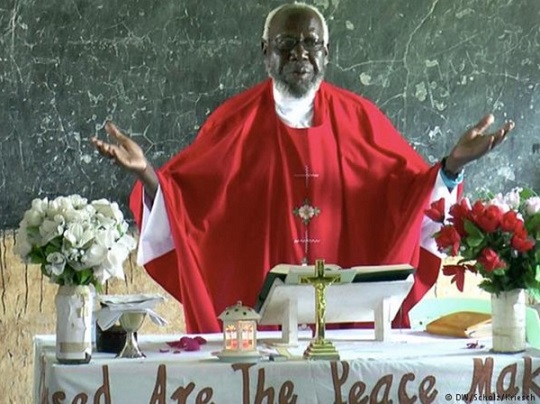
Num dia ensolarado de Janeiro passado, Escola Profissional de Santa Mônica para Meninas em Gulu, Uganda, estava cheio de explosão. Mais de 5.000 pessoas cobriram cada centímetro do campus verdent, celebrando o GSemana Anual de Oração pela Paz Episcopal, que culminou em 13 de janeiro de 2017, com uma missa comemorativa.
"Que cada coração não promova a violência! Que cada boca não promova violência!" As palavras de Mons. John Baptist Odama, arcebispo de Gulu, ecoaram através da escola.
Há duas décadas, O Exército de Resistência de Joseph Kony assaltou St. Monica’s com armas disparadas, procurando crianças que poderiam coagir para serem novos soldados. Mas neste dia, em janeiro de 2017, os buracos de bala que ainda apimentam o teto das salas de aula foram contrastados com milhares de pessoas lá fora, apertando as mãos em uma oração pela paz.
Sentado entre a multidão estava o Sr. Rosemary Nyirumbe, ex-diretor da escola de Santa Mônica.
"Eu era muito observador, e uma coisa que notei foi que nenhuma mulher ou freira religiosa foi capaz de dar uma voz [durante a semana da paz]", disse Nyirumbe. "Eles nem sequer convidaram um! Quando falamos de construção da paz, eu esperava que eles dissessem: "Vamos levar algumas dessas mulheres que foram profundamente afetadas por este conflito para dar sua voz, para descobrir como eles estão envolvidos na construção da paz, quais são seus papéis."
Como resultado da semana de paz dominada pelos homens, Nyirumbe decidiu reunir algumas mulheres em Gulu para criar seu próprio fórum de paz. "Nós mulheres devemos dar uma voz para nós mesmos, por que estamos esperando por outras pessoas?", perguntou.
Marcas do Papa Francisco Dia Mundial da Paz em 1 de janeiro, oferecendo uma visão para um mundo mais pacífico no próximo ano, uma mensagem que Nyirumbe espera que as mulheres levem a peito.
Nyirumbe também está supervisionando um esforço para escrever um "curriculum de paz" específico de mulheres com sobreviventes dos anos de terror do norte de Uganda. O currículo usará exemplos e métodos da vida real que têm ajudado as mulheres em Gulu, ensinando as mulheres em outras áreas pós-conflito como encontrar paz dentro de si e dentro de suas comunidades.
Nyirumbe diz que a construção da paz requer uma abordagem de duas vertentes: as mulheres devem alcançar a independência financeira através de educação formal e treinamento de habilidades práticas, que levam a uma sensação de empoderamento bem além da sobrevivência de subsistência. Então a verdadeira cura pode começar. As mulheres devem perdoar-se a si mesmas e encontrar a calma interior antes que possam voltar para fora e começar a curar as fendas em sua sociedade, diz ela.
Buracos de bala no teto
Santa Mônica, como grande parte do norte de Uganda, ainda carrega as cicatrizes físicas dos anos de agitação. A partir de 1989, mais de 30.000 crianças, meninos e meninas, foram sequestrados no norte de Uganda e forçados a cometer atrocidades contra suas próprias aldeias na guerra de 25 anos liderada por Kony.
Kony, um profeta auto-descrito empenhado em derrubar o antigo presidente de Uganda, Yoweri Museveni, instruiu seus seguidores a sequestrar crianças tão jovens quanto 8, lavagem cerebral e forçá-los a queimar casas e estuprar e matar seus vizinhos. A violência deslocados mais de 2,5 milhões de pessoas no norte de Uganda e deixou 100.000 pessoas mortas.
As crianças chamavam de "transportadores noturnos" lotados nos corredores de St. Monica’s todas as noites, andando quilômetros todos os dias para ter um espaço seguro para dormir, escondendo-se dos sequestradores.
O Exército de Resistência do Senhor por fim se desmoronou quando as crianças sequestradas escaparam, e a guerra parou. O Tribunal Penal Internacional emitiu mandado para Kony em 2005, e o governo de Uganda tentou negociar pela paz a partir de 2008. O Presidente Barack Obama enviou tropas especiais em 2012 para tentar capturar Kony em cooperação com o exército ugandês. O Departamento de Defesa gastou $780 milhões durante seis anos em busca de Kony, embora a operação terminou na primavera passada sem a captura de Kony.
Com seu exército enfraquecido para apenas algumas centenas de combatentes, Kony retirou-se do norte de Uganda anos atrás e é agora Acreditado estar escondido Na República Centro-Africana, no Sudão ou na República Democrática do Congo.
À medida que o conflito terminou e as crianças raptadas emergiram do mato, tiveram de regressar às mesmas aldeias que tinham pilhado. Muitas comunidades evitaram os retornados, porque a presença das crianças era um lembrete das coisas que fizeram e das pessoas que mataram, um lembrete de perda impossível. O processo de reconciliação, alguns dos quais usam líderes religiosos para conduzir cerimônias tradicionais de perdão tribal, está em curso.
As meninas enfrentam um desafio ainda maior do que os rapazes no processo de reconstrução de uma vida após o conflito. Muitas meninas foram forçadamente "casadas" com comandantes rebeldes do exército, e eles voltaram para sua aldeia com crianças pequenas. As meninas mal haviam concluído o ensino fundamental e agora eram mães solteiras sem educação ou apoio social porque suas famílias as evitavam.
Quando as primeiras ondas de repatriadas voltaram para casa, as irmãs do Sagrado Coração de Jesus, que dirigem a Santa Mônica desde 1982, adaptaram seu programa vocacional para mães jovens. Eles começaram uma creche e jardim de infância para que as mães pudessem estudar, e ofereceram programas de alfabetização para meninas que haviam deixado a escola tão cedo que não podiam ler. Incorporaram a terapia na sua formação profissional tradicional em agricultura, tecelagem, restauração e alfaiataria.
Mais de 1.500 meninas e mulheres se formaram nos vários cursos, que variam de três meses a dois anos.
Nyirumbe disse que era uma mudança para as irmãs começarem a aceitar mães solteiras para estudar na escola. "Mas nós dissemos: 'Onde está a nossa compaixão? Onde estão os nossos cuidados? Nosso cuidado é abraçar tanto a mãe como a criança", disse.
Com o passar dos anos, muitos graduados de Santa Mônica encontraram sucesso: Eles começaram suas próprias lojas, começaram a se reconciliar com sua família e vizinhos, se casaram, tiveram mais filhos. "Você pode ver uma garota há 10 anos, ela estava tão infeliz, profundamente traumatizada, e eu a vejo agora muito bonita e bem vestida", disse Nyirumbe. "Vejo que essas pessoas passaram pela própria dor, tomaram posse e estão totalmente transformadas."
Uma vez que Nyirumbe, que faz discursos e entrevistas sobre St. Monica em todo o mundo, encontrou um de seus graduados no aeroporto de Addis Ababa, na Etiópia. O graduado estava retornando de uma conferência de mulheres no Egito, onde ela era oradora convidada. "Ela não foi [formalmente] educada, mas ela está recebendo essa liberdade para sair e falar em nome dos outros", disse Nyirumbe.
Um grupo de ex-alunos de St. Monica começou a Rede das Mulheres, um grupo independente de mulheres que oferecem empréstimos bancários em pequena escala e apoio emocional.
Josephine Amena, graduada em St. Monica’s, que agora trabalha na escola, é uma das integrantes do grupo e disse que a independência financeira que ela ganhou depois de aprender a costurar lhe permitiu "ficar firme".
"Às vezes eu vou ser derrotado, mas [depois do meu treinamento] eu não vou precisar ir implorar para as pessoas", disse ela.
Amena acompanhou Nyirumbe a Washington, D.C., em 2016 para o Café da manhã de oração nacional e falou para uma sessão de fuga. Em vez de se concentrar nas dificuldades, em seu sequestro e sobrevivência no exército de Kony, ou na rejeição de sua família quando ela voltou para casa, Amena prefere falar sobre oração.
"Disse-lhes que Deus me livrou do mato para continuar com a vida", disse ela.
Amena confiava fortemente em seu grupo de oração, composto por ex-soldados e vítimas civis de terror, para ajudá-la a encontrar a paz interior. "Sempre digo às minhas companheiras: 'Fiquem firmes, há problemas em todo o mundo; não há lugar onde as pessoas não estejam sofrendo. Mesmo que eu esteja dormindo com fome, onde quer que eu vá, quando você tem essa paz de coração você não está sozinho", disse Amena. "A paz começa por dentro, e depois tens mais por fora."
Como se ensina a paz?
"Você não pode ensinar a paz", disse Nyirumbe. "Você tem que liderar e ver feito praticamente. As pessoas que sofreram tanto são as mesmas que podem tornar-se mestres da paz."
Nyirumbe está supervisionando a criação do currículo de Educação para a Paz Transformativa, parte de uma parceria com a Universidade de Oklahoma Centro de Paz e DesenvolvimentoJá existem muitas plantas para currículos de educação para a paz através do mundo. Mas Nyirumbe está dando aos sobreviventes, não aos acadêmicos, a responsabilidade de projetar o programa.
"Estamos envolvendo pessoas que passaram por esse passado e que podem contar a história usando seu próprio exemplo", disse Nyirumbe.
Uma lição que eles planejam incluir no currículo é um projeto fotográfico onde as mulheres criam três fotos que representam seu passado, presente e futuro. "Fotos e histórias são muito boas para essas mulheres", disse Nyirumbe. "Ela os encoraja não exatamente a esquecer o passado doloroso, mas a lembrá-lo e ser capaz de falar sobre isso agora, e mantê-lo como um ponto de referência para ensinar seus filhos. Dizer a eles: ‘Foi por isso que passamos então eu vou cuidar de vocês e não vou deixar vocês passarem por isso’", disse ela.
Nyirumbe disse que se lembra de ouvir histórias tradicionais de sua mãe, incluindo histórias sobre dois irmãos da tribo Luo que continuaram lutando. Até hoje, ela ainda ouve a voz da mãe ecoando no ouvido com a moral dessa história, avisando-a para nunca se vingar. "São as mulheres que podem contar essas histórias efetivamente às crianças, que podem dizer: ‘Você deve quebrar o ciclo da violência.’ As crianças passam tanto tempo com as mães", disse.
Nirumbe diz que muitas mulheres são intimidadas por sua cultura ou falta de educação.
"A educação libertará essas mulheres de sua servidão, de sua escravidão psicológica, de sua tortura psicológica e tortura mental porque não podem falar sobre o passado. Sei que há muitas coisas que os mantêm cativos, e uma delas é a falta de educação. Uma vez que eles são capazes de escrever, falar e comunicar, eles não estão mais vivendo naquela prisão."
Moedas e paz
O currículo vai dar às mulheres em todo o mundo ferramentas práticas para emergir do trauma e conflito para a cura pessoal e, em seguida, fazer a paz em uma escala maior.
Primeiro, há a parte prática de fazer a paz, que é ganhar dinheiro. Mais do que tudo, essas mulheres sabem que você não pode orar de estômago vazio. Em áreas de conflito assoladas pela pobreza generalizada, a primeira coisa é garantir que as mulheres tenham uma forma de sobreviver.
Amena e seus amigos, assistidos por Santa Mônica, criaram pequenos grupos de "banco de tabela," ou grupos informais de micro empréstimos em suas comunidades, para criar pequenas empresas ou lojas usando as habilidades que aprenderam em St. Monica.
"Você deve sempre tentar economizar um pouco de dinheiro, porque o mundo é como uma bola", disse Amena, e você nunca sabe que caminho o destino vai rolar. "Se você pensa, "as pessoas vão me ajudar", isso é fora. Você tem que ficar firme e dizer: "O que estou fazendo não é só para o meu benefício, mas também para os meus filhos."
Depois vem o trabalho emocional.
Amena disse nos primeiros anos, depois que sua família a rejeitou e ela estava lutando para sobreviver como mãe solteira, as pessoas frequentemente lhe disseram para esquecer o passado e seguir em frente. "Mas eu vi essas coisas com meus próprios olhos", disse ela.
Em vez disso, levou anos de aconselhamento e grupos comunitários de oração para abordar o trauma que ela passou e começar a curar. Há um padrão para a cura, uma Amena e seus amigos vão tentar cristalizar em parte do currículo da paz.
"Perdoar as pessoas é parte disso, você deve ter um coração de perdão", disse ela. Um aspecto desse perdão também se concentra internamente.
"Você deve ter paz de espírito, paz de coração, paz de corpo", disse Amena. "Nas famílias onde não há paz, a vida será dura. As pessoas estão sempre a discutir. Quando você tem paz de espírito, também ajuda a família a viver em paz."
Também é importante criar uma comunidade de pessoas dedicadas ao mesmo objetivo de cura.
"Quando a vida se torna difícil, você pode dizer: "Não tenho ninguém", pode ser difícil compartilhar ou pedir ajuda", disse Amena. "Eu vivo e trabalho com essas pessoas, e quando estou preso com a vida elas entendem."
Nyirumbe e a Universidade de Oklahoma acreditam que as pessoas em todo o mundo também aprenderão e entenderão, ganhando visão das lições que essas mulheres colheram.
"Estamos trabalhando com eles, mas estamos fazendo com que se tornem defensores", disse Nyirumbe. "Eles devem encontrar outras mulheres e dizer: "Se nós podemos fazer isso, então você pode alcançá-lo, também."
Uganda agora abriga mais de um milhão de refugiados do Sudão do Sul, que passaram por seus próprios traumas e precisam do mesmo apoio e assistência.
"Alguém não pode vir e dizer-lhe para ter paz em seu coração e mente", disse Amena. "Isso depende da forma como você vive com as pessoas, do que você faz com as pessoas, e da vida que você está passando."
Como o Papa Francisco lembra ao mundo para rezar pela paz em 1o de janeiro, Nyirumbe espera que a mensagem das mulheres do norte de Uganda também chegue aos cantos esquecidos do mundo onde os conflitos estão apenas começando a desaparecer e as feridas ainda estão frescas.
"A paz não é apenas a ausência de guerra, é também a paz do coração", disse Nyirumbe. "E se conseguirmos que as pessoas comecem a viver e a sentir de coração que estão em paz, então o desenvolvimento pode começar a acontecer. Sem isso, trabalharemos em vão."
[Melanie Lidman é correspondente do Oriente Médio e África para o Global Sisters Report com sede em Israel.]
Fonte: Relatório Global de Irmãs...