Évêques catholiques, Le gouvernement s'attaque aux revendications du « génocide » au Cameroun
Évêques catholiques, Le gouvernement s'attaque aux revendications du « génocide » au Cameroun
Crux || Par Ngala Killian Chimtom || 12 octobre 2017
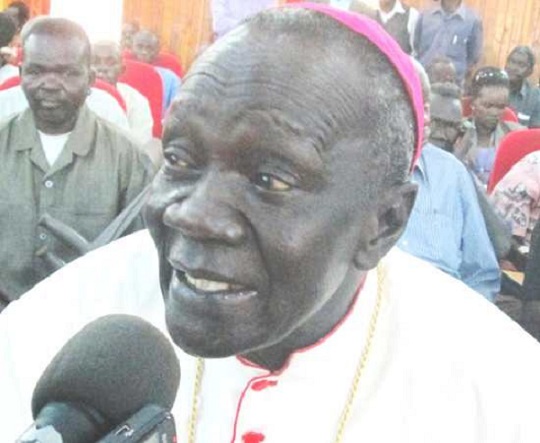
Les évêques des régions anglophones du Cameroun ont accusé les forces gouvernementales d'utiliser des munitions réelles contre des manifestants non armés et se sont plaints que lorsque le porte-parole du gouvernement a qualifié les sécessionnistes de «terroristes», c'était un «appel subtil» au nettoyage ethnique.
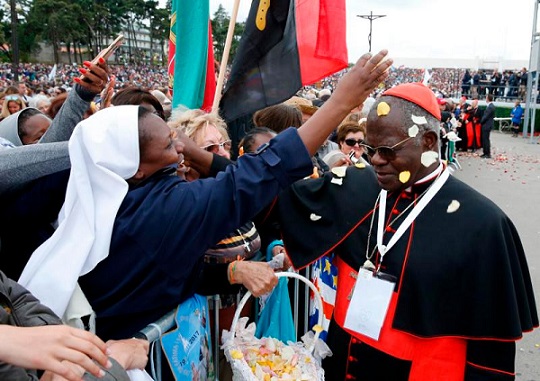
Les évêques camerounais de la province de Bamenda se sont dits préoccupés par le fait que le gouvernement camerounais pourrait perpétrer un « génocide » contre les Camerounais anglophones.
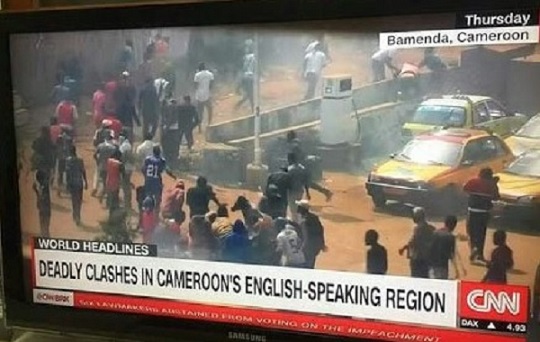
Les propos des évêques sont venus à la suite de manifestations au Cameroun, principalement des régions anglophones du nord-ouest et du sud-ouest exigeant l'indépendance du reste du Cameroun, qui est majoritairement francophone.
Selon les médias, plus de 20 personnes ont été tuées par les forces de sécurité depuis le 1er octobre, bien que le chef du mouvement pour l'indépendance prétende que plus de 100 personnes sont mortes.
Les troubles actuels ont commencé l'année dernière, lorsque des avocats et des enseignants mécontents ont commencé à protester contre l'utilisation du français dans les tribunaux en utilisant la tradition anglo-saxonne de common law (pratique dans les régions anglaises du pays) et dans les écoles anglophones. Les manifestations se sont rapidement étendues au grand public, et les appels à la sécession pure et simple ont commencé à croître.
Dans une déclaration fortement formulée publiée le 6 octobre, les évêques ont condamné « la barbarie et l'utilisation irresponsable d'armes à feu contre des civils non armés par les forces de l'ordre » et ont demandé au président Paul Biya d'arrêter « le bain de sang et le génocide qui ont été habilement initiés dans les régions du Nord-Ouest et du Sud-Ouest ».
La province ecclésiastique de Bamenda couvre ces régions anglophones du Cameroun.
La déclaration accusait les forces gouvernementales d'utiliser des munitions réelles contre des manifestants non armés, et se plaignait que le porte-parole du gouvernement et ministre de la Communication, Issa Tchiroma Bakary, ait qualifié les sécessionnistes de «terroristes», ce que les évêques disaient être un «appel subtil» au nettoyage ethnique.
« Tous les anglophones sont maintenant considérés comme des «terroristes» et, à ce titre, ils peuvent être éliminés, juste parce qu'ils sont anglophones », ont écrit les évêques.
"Nous devons arrêter le génocide imminent! En tant que nation, nous avons besoin d'un changement d'orientation pour prévenir toute nouvelle détérioration de la situation dans les régions du Nord-Ouest et du Sud-Ouest », a déclaré la déclaration.
Les évêques ont déclaré que le génocide commence par « le meurtre d'un seul homme – pas pour ce qu'il a fait – mais pour qui il est ».
Le 9 octobre, Tchiroma Bakary a déclaré que les évêques pouvaient être considérés comme des « alliés objectifs des sécessionnistes ».
Le ministre du gouvernement a déclaré que les évêques avaient approuvé "les imaginations dangereuses et sauvages des sécessionnistes" et a dénoncé les évêques pour "championner ceux qui ont délibérément choisi de violer la constitution et les lois de la république pour inciter les gens à remettre en question leur citoyenneté."
L'ancien candidat à la présidence camerounaise Bernard Acho Muna – qui a été procureur adjoint du Tribunal pénal international pour le Rwanda de 1997 à 2002 et a enquêté sur la situation en République centrafricaine pour l'ONU en 2013 – a déclaré que les preuves dans la région anglophone du Cameroun étaient inquiétantes.
« Le génocide ne concerne pas seulement les meurtres. ... L'élimination d'un peuple peut être leur culture et ainsi de suite fait partie du génocide », a-t-il déclaré.
En mars, Muna, anglophone de Bamenda, a déclaré qu'un groupe d'avocats compilait actuellement un dossier devant un tribunal international pour poursuivre les auteurs de crimes « génocides » dans les régions anglophones du Cameroun.
(Il a déclaré que les avocats envisageaient de saisir la cour pour déposer leur plainte auprès de la Cour pénale internationale, de la Cour pénale internationale ou de l'Organisation des Nations Unies directement.)
« Ce que je dis, c'est qu'en tant que Camerounais et que quelqu'un qui a poursuivi des personnes commettant un génocide au Rwanda, je suis conscient de la gravité du génocide. Et en tant que Camerounais, il n'a pas été facile pour moi de gérer une telle situation. Et donc, ce que j'ai décidé de faire, compte tenu de la preuve que nous avons, c'est de faire appel à l'aide de conseillers juridiques qui étaient Barristers à Londres et dont certains avec lesquels j'ai travaillé au Rwanda », a déclaré Muna aux journalistes à l'époque.
Pendant ce temps, Tchiroma Bakary a déclaré que les dirigeants sécessionnistes anglophones étaient en faute.
Il les a accusés de recruter des « centaines de mercenaires » et d'importer des armes d'assaut dans le but de commettre des massacres dans les deux régions, et de blâmer le gouvernement pour les atrocités.
Le Cameroun est bilingue et biculturel issu de son patrimoine colonial. Initialement administré comme protectorat allemand en 1884, le Cameroun sera plus tard partagé avec la France et la Grande-Bretagne en tant que mandat de la Société des Nations après la défaite de l'Allemagne pendant la Première Guerre mondiale.
La fin de la Seconde Guerre mondiale et la création des Nations Unies ont vu les deux parties du Cameroun passer des territoires mandatés aux territoires sous tutelle des Nations Unies.
En 1960, la partie nord du Cameroun administrée par la France a acquis son indépendance. La partie sud administrée par la Grande-Bretagne en tant que partie du Nigeria a été soumise en 1961 à un plébiscite au cours duquel on leur a offert l'indépendance en réunissant leurs « frères » camerounais francophones ou en faisant partie du Nigéria.
Les résultats ont montré un désir écrasant des Camerounais anglophones de se réunir avec la partie francophone du Cameroun.
Le « mariage » est garanti par une Constitution fédérale qui vise à préserver et protéger les anglophones minoritaires et leur patrimoine colonial. Mais en 1972, le président Ahmadou Ahidjo a organisé un référendum qui a dissous la fédération en faveur d'une république unie, supprimant ainsi les protections dont bénéficiaient les anglophones.
Actuellement, les anglophones représentent environ 20% de la population.
Dans leur déclaration, les évêques de Bamenda ont déclaré que le gouvernement « n'a toujours pas réussi à résoudre [la crise anglophone] adéquatement », accusant les fonctionnaires de n'offrir que des « changements cosmiques ».
Les évêques demandent ce qu'ils appellent un dialogue franc et sincère avec "les bonnes personnes pour déterminer la nature et la forme de l'État", qui, par leur appréciation, constitue la base de la crise actuelle.
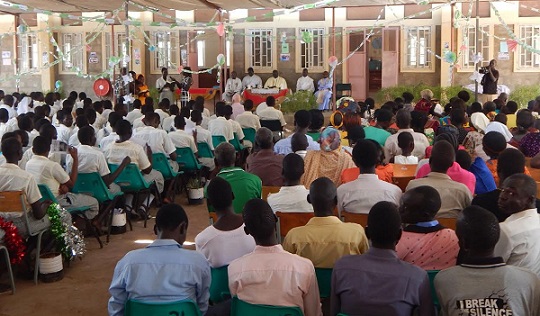
Les évêques ont déclaré le 14 octobre un jour de deuil pour la province ecclésiastique, et dit que requiem Masses serait dit dans toutes les églises pour ceux qui ont été tués dans la violence.
Source: Crux...