Les Evêques en Zambie décernent le gouvernement de ne pas résoudre les « problèmes récurrents »
Les Evêques en Zambie décernent le gouvernement de ne pas résoudre les « problèmes récurrents »
CANAA || Par le Père Don Bosco Onyalla, Nairobi || 27 avril 2017
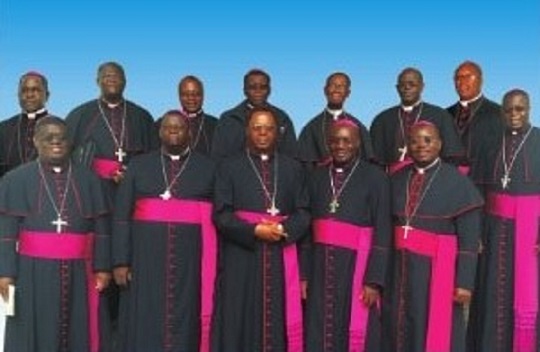
Les évêques catholiques de Zambie sous la Conférence des évêques catholiques de Zambie (ZCCB) ont dénoncé l'incapacité du gouvernement à apporter des solutions aux défis auxquels le pays est confronté, certains depuis les élections générales de l'année dernière et d'autres depuis les temps pré-indépendance.
« Nous estimons qu'en tant que nation, nous n'avons malheureusement pas réussi à nous attaquer vigoureusement à un certain nombre de problèmes récurrents, y compris ceux qui découlent de nos précédentes élections », ont déclaré les évêques dans une déclaration pastorale sur la situation politique actuelle en Zambie intitulée « SI VOUS VEUILLEZ PAIX, TRAVAILLER POUR LA JUSTICE ».
Les Evêques ont décrit la situation politique de leur pays comme étant « caractérisée par la manipulation, le patronage et l'intimidation des opposants perçus par le gouvernement ».
Les Evêques ont mentionné en particulier l'arrestation et la détention du principal dirigeant de l'opposition du pays, Hakainde Hichilema, qui est détenu et accusé de trahison, ce qui est une infraction non passible de caution en Zambie.
M. Hichilema qui dirige le Parti uni pour le développement national (UPND) d'opposition a été accusé d'avoir bloqué le cortège du président Edgar Lungu avec le sien.
Les Evêques ont condamné cette arrestation et cette détention.
« Nous exhortons le gouvernement à cesser d'utiliser les institutions de sécurité de l'État pour intimider ses propres ressortissants », ont déclaré et ajouté les évêques catholiques, « le service de police en particulier doit être professionnel et impartial dans l'exercice de ses fonctions de maintien de l'ordre ».
Retraçant certains des défis de leur pays à l'ère pré-indépendance, les Evêques ont déclaré: «Nous sommes également convaincus que la majeure partie du problème est que la politique en Zambie est toujours dans la gueule de bois de la lutte politique pré-indépendance pour l'indépendance, qui a été renforcée dans l'Etat Un-Parti»
« Trop de ressources et de temps de la nation sont gaspillés en politisant au détriment du développement réel », se plaignaient les évêques, ajoutant : « Cette culture doit changer pour le mieux. »
On trouvera ci-dessous la déclaration complète des évêques catholiques de Zambie, signée par l'archevêque de Lusaka, Mgr Telesphore George Mpundu, président de la ZCCB, sur la Divine Miséricorde dimanche.
Si vous voulez de la paix, travaillez pour la justice (Pape Paul VI)
"La justice coule, ... comme une rivière qui ne sèche jamais..." (Amos 5:24)
Déclaration sur la situation politique actuelle en Zambie
A tous les fidèles catholiques et à tous les gens de bonne volonté en Zambie. C'est le Tide de Pâques quand nous célébrons la grande fête de Pâques jusqu'à la fête de la Pentecôte. Mon salut à vous est dans les paroles de saint Paul: "Grâce et paix à vous de la part de Dieu notre Père et du Seigneur Jésus-Christ" (1 Cor 1,3; 2 Cor 1,2; Gal 1,2-3; et Éphésiens 1,2).
PRÉAMBULE
1. En tant que bergers de l'Église, c'est notre honneur, notre privilège et notre devoir d'enseigner et de guider les fidèles en les enseignant en matière de foi et de morale. Il est également de notre devoir de les éclairer sur les questions qui les concernent dans leur vie quotidienne à la lumière de notre foi et de l'enseignement de l'Église en tant que Pères du Concile Vatican II (1962-1965) si succinctement mis et exprimé: "Les joies et les espérances, les chagrins et les angoisses des gens de cet âge, en particulier ceux qui sont pauvres ou en aucune façon affligés, ce sont les joies et les espérances, les chagrins et les angoisses des disciples du Christ."
2. Le Prophète Jérémie nous rappelle dans le chapitre 22 verset 16 que nous ne pouvons prétendre connaître Dieu si nous ne répondons pas aux injustices de notre société et ne les affrontons pas parce que « connaître Dieu signifie faire justice » et « faire justice, c'est connaître Dieu ». Par conséquent, la connaissance de Dieu ne peut être séparée de la justice et de ce que nous faisons ou omettre de faire à notre prochain. Par conséquent, les gens qui infligent la douleur et la souffrance à leurs semblables ne peuvent prétendre connaître Dieu, et encore moins être «chrétiens!».
3. L ' incident malheureux qui s ' est produit à Mongu lors de la cérémonie de Kuomboka a depuis été suivi par l ' arrestation et la détention de M. Hakainde Hichilema, puis par la gifle d ' une accusation de trahison. Nous n'acceptons aucunement l'illégalité. Nous déplorons néanmoins la force massive, disproportionnée et totalement inutile avec laquelle la police a agi pour l'appréhender. N'aurait-il pas été beaucoup plus civilisé et professionnel de lui remettre une convocation contenant une accusation et de l'ordonner de comparaître devant la police pour répondre des accusations de violation de la loi? La manière brutale dont la police a agi n'a fait qu'accentuer les tensions déjà considérables dans la nation, notamment entre les partisans de l'UPND et du PF. La paix que nous souhaitons pour vous et la nation en général dans les paroles de saint Paul n'est pas simplement l'absence de guerre ou de conflit. La paix, c'est l'harmonie, la compréhension, le respect et l'acceptation des autres, le respect et même la défense de la divergence d'opinion, en souhaitant bien aux autres qui ils sont et ce qu'ils font pour vivre. Cette paix vient de Dieu notre Père et de notre Seigneur Jésus Christ. Cette paix est actuellement en manque dans notre pays. Pourquoi ?
4. La tension continue entre l ' UPND et le PF a affecté la vie de nombreux autres citoyens du pays qui vivent dans la peur et ne se livrent pas librement à leur activité. En tant que bergers de l'Église catholique dans notre pays, nous sommes profondément attristés par les incidents de conduite non professionnelle et brutale du Service de police, les dommages aux biens des citoyens innocents par des cadres présumés, les arrestations arbitraires et les tortures horribles de suspects ainsi que les déclarations négligentes, incendiaires et dissidentes de nos dirigeants politiques. Tous ces éléments indiquent que notre culture démocratique n'a pas encore été fermement mise en place, nourrie et promue pour renforcer le respect de la dignité et des droits de l'homme. Nos lettres de créance démocratiques, qui n'ont pas été nombreuses à passer au mieux des temps, n'ont pas disparu dans cette nation qui prétend fort être «peur de Dieu», «aimant la paix» et «chrétien».
5. Nous estimons qu ' en tant que nation, nous n ' avons malheureusement pas réussi à régler avec fermeté un certain nombre de problèmes récurrents, y compris ceux qui découlent de nos précédentes élections. La situation politique actuelle découle directement de problèmes profondément enracinés que nous n'avons pas réussi à résoudre ni à résoudre, sans respecter quatre commissions d'enquête constitutionnelles. Comme nous l'avons déjà dit, « l'environnement politique en Zambie se caractérise aujourd'hui par la manipulation, le patronage et l'intimidation d'opposants gouvernementaux perçus. Nous exhortons le gouvernement à cesser d'utiliser les institutions de sécurité de l'État pour intimider ses propres ressortissants. Le service de police en particulier doit être professionnel et impartial dans l ' exercice de ses fonctions de maintien de l ' ordre. Trop de ressources et de temps de la nation sont gaspillés au détriment du développement réel. Cette culture doit changer pour le mieux. »
Dans l ' idéal, la période qui s ' est écoulée immédiatement après une élection aussi conflictuelle qui a eu lieu en août 2016, nos dirigeants politiques auraient dû lancer un programme de réconciliation nationale, construire et favoriser le dialogue en maintenant de vieux canaux en bon état et en en créant de nouveaux mieux adaptés à la nouvelle situation. Malheureusement, le pouvoir judiciaire, l'organe gouvernemental chargé de statuer entre les individus et entre les institutions et de rendre la justice, a fait beaucoup, voire rien, pour aboutir à une solution mutuellement acceptable.
7. Nous sommes également convaincus que la plus grande partie du problème tient au fait que la politique zambienne continue de s ' éloigner de la lutte politique d ' avant l ' indépendance pour l ' indépendance, qui a été renforcée dans l ' État à parti unique. Cette gueule de bois découle de la perception erronée que la concurrence politique vise à anéantir ou à supprimer totalement les opposants politiques à tout prix et par tous les moyens disponibles ! C'est la cause profonde de l'intolérance et de la violence intra et interpartite. Cependant, une dispensation démocratique qui chérit la démocratie parlementaire que nous souhaitons construire et consolider exige le respect des divergences de vues et le droit des individus et des partis politiques d'organiser, d'associer et de se réunir sans aucune restriction ni intimidation indues. Nous sommes à nouveau déçus quand nous revoyons les événements qui ont marqué la période précédant les élections d'août 2016. Les principes démocratiques que nous connaissons ont été violés à gauche, à droite et au centre de sorte qu'au lieu d'aller de l'avant et de consolider notre démocratie encore fragile, nous reculons et pas si lentement! Le parti politique au pouvoir est au cœur du jeu politique sur le terrain politique.
Nous demandons donc au gouvernement actuel de mettre en place des mesures concrètes pour inverser cette tendance inquiétante et dangereuse.
NOTRE HÔTES ET CONCERNES POUR 2017
Situation politique
8. Nous saluons et félicitons les Zambiens qui, malgré toutes sortes de provocations, sont attachés à des moyens pacifiques de faire de la politique et de s ' abstenir de toute violence verbale ou physique. Ce sont les gens qui nous donnent l'espoir et la nation de s'accrocher à une démocratie fonctionnelle dans un scénario multipartite où il y a plus que suffisamment de place pour la participation des citoyens à travers des groupes organisés, bien qu'il y ait une pression énorme au contraire. Ces personnes sont des martyrs de la vraie démocratie et doivent être émues.
9. Nous dénonçons la mauvaise habitude que les partis politiques au pouvoir supposent immédiatement qu'ils font un gouvernement d'utiliser les services de police pour régler les comptes politiques et empêcher leurs rivaux politiques d'organiser, de faire campagne et donc de vendre leur vision du pays et de la nation à l'électorat. C'est la même histoire d'une administration à l'autre et le gouvernement actuel ne fait pas exception, sinon l'un des meilleurs exemples de malfaiteurs qui viennent d'être mentionnés! Du fait de la brutalité de la population par le biais des services de police, le grand public est réduit à craindre que l'ordre du jour ne soit la corruption et l'utilisation abusive des fonds publics. Quiconque critique le gouvernement pour avoir mal agi est certain que la police l'a démené.
10. Nous avons toujours été préoccupés par l ' application sélective de la loi sur l ' ordre public par la police. Il est tout à fait honteux qu'un quart de siècle après le retour à la politique pluraliste et plus d'un demi-siècle d'indépendance politique de la Grande-Bretagne, nos gouvernements que nous avons mis au pouvoir par nos votes utilisent la loi sur l'ordre public pour opprimer les opposants politiques et les empêcher d'organiser et de réunir des rassemblements politiques et de s'exprimer ouvertement au lieu de protéger les droits et libertés des personnes qui les ont mis au pouvoir. Paradoxalement, chaque parti politique dans l'opposition passe par l'utilisation biaisée de cette loi notoire, mais une fois au pouvoir, ils trouvent si utile qu'ils ne font rien pour la modifier ou l'abroger. Dédaigneux, en effet ! Nous espérons et prions pour que cette loi soit révisée et, dans le cas contraire, que les services de police soient tenus de l'appliquer professionnellement et sans cibler uniquement les partis politiques d'opposition.
Le pouvoir judiciaire
11. C ' est un secret ouvert que le pouvoir judiciaire a laissé tomber le pays en ne prenant pas position contre les manipulations politiques et la corruption. Comment expliquer le fait que la Cour constitutionnelle n'ait pas entendu et n'ait pas conclu de manière exhaustive une pétition présidentielle? Nous réitérons ce que nous avons dit précédemment : « Depuis un certain temps, il y a eu un discours persistant sur l'état du pouvoir judiciaire en Zambie en ce qui concerne son indépendance et son impartialité. Cette situation a sapé la confiance du public dans cette institution. Il faut rétablir la confiance dans cet important bras de gouvernement. Il y a aussi de nombreuses questions d'intérêt public non résolues qui ont été laissées en suspens et sans réponse par l'exécutif. Où le pouvoir judiciaire doit-il attirer l'attention du pouvoir exécutif?
12. Nous dénonçons également énergiquement les attaques contre l'Association de droit de Zambie (LAZ) et le gouvernement prévoit de la saper. Nous pensons que, dans des conditions optimales, LAZ pourrait jouer son rôle légitime en tant que l'un des freins et contrepoids les plus efficaces dans une véritable dispensation démocratique. Les plans de tuer LAZ sont discréditables et nous espérons et prions pour qu'ils échouent. Avec le pouvoir judiciaire, la LAZ est la dernière défense des citoyens, notamment en ce qui concerne les excès de l'exécutif.
Un service de police ou une force de police?
13. Quel dommage que tous les efforts et les ressources financières que notre gouvernement et la communauté des donateurs ont consacrés à la réforme de la police, de la British South Africa Company et de la British Colonial Administration Police Force, à un service de police moderne, n ' aient guère payé, voire pas du tout, de dividendes. Il est triste de voir la police utilisée et agissant comme des cadres de partis politiques. Les policiers sont censés et doivent être exemplaires dans le respect de l'état de droit puisqu'ils sont chargés de maintenir l'ordre public. Nous lançons un appel pressant au personnel de police pour qu ' il soit professionnel dans sa conduite, impartial et scrupuleusement équitable, de la manière qui assure et qui est perçue comme garantissant que les droits des citoyens sont respectés, protégés et non violés. Nous demandons au gouvernement de dépolitiser immédiatement les services de police et de les laisser faire un travail professionnel pour lequel ils ont été formés. Presque immédiatement après l'indépendance, les politiciens ont repris le service de police comme ils leur ont dit qui arrêter et poursuivre et qui ne pas toucher!
Culture du silence
14. Il y a peur et tremblement parmi le peuple montré dans la façon dont ils ont peur de dénoncer les injustices. Ceci est dû à plusieurs actions du gouvernement qui ont été destinées à insuffler la peur et intimider les masses. On n'a pas besoin d'appartenir à un parti politique pour qu'il se prononce sur les méfaits qui se produisent dans la nation. De plus, nous sommes témoins de ce qui s'est passé avant les élections générales d'août 2016, lorsque plusieurs médias ont été harcelés et finalement fermés. Plusieurs médias n'ont pas signalé les événements récents en raison de la forte présence de la police. Notre pays est maintenant tout, sauf dans sa désignation, une dictature et si elle n'est pas encore, alors nous n'en sommes pas loin. Nos dirigeants politiques du parti au pouvoir font souvent des déclarations intimidantes qui effrayent les gens et nous font craindre pour l'immédiat et l'avenir. Cela doit désormais être arrêté et inversé.
Appel à un dialogue véritable et à la réconciliation
15. As hinted earlier on, the process of national healing and reconciliation after last year’s election should have been priority number one for the government as the institution in the driving seat. Unfortunately, the Executive missed this chance. It has been opined that the Church Mother Bodies should have continued their arbitration role as evinced by the Holy Cross Cathedral Meeting before Easter last Year. That initiative was taken on the appeal to ZEC (ZCCB) of the President on 12 th March 2016 on the occasion of the ordination of Bishop Justin Mulenga of Mpika Diocese. The Church Mother Bodies did their best but immediately after the meeting, the resolutions which had been taken and agreed to by the participating political party leaders were broken particularly by the ruling party. The Church Mother Bodies were not allowed to succeed! We believe strongly that now that the political party in power because it is now in a strong position and has nothing to fear by way of electoral defeat must be in the driving seat. The Church Mother Bodies, if called upon, are ready to come along.
16. The politicians especially those in the ruling party must realise that the nation they are governing is deeply divided between those who voted for UPND and those who voted for PF in the last elections. Let the politicians of both parties take it from us since we always have our ears close to the ground that our country now stands on the edge. It is no use playing an ostrich game by burying our heads in the sand thinking that the storm will pass away. It will not, at least not before it has done great harm to this nation. The use of force and intimidation are not the solution whatsoever. Only genuine and sincere dialogue aimed at national reconciliation is the long-term solution. This reconciliation must be firmly rooted in the Christian values of Truth, Forgiveness, Peace, Unity, Social Justice and Freedom. Let us learn to burry our immediate past and rise again to new life.
17. To the Church and other Religious Leaders, we appeal to them to be instruments of peace, reconciliation and unity. They must urge the entire membership of their flocks to be collectively and individually channels of peace and reconciliation thereby living to our Lord’s call to be the salt of the earth and the light of the world. Shepherds and the faithful together must be committed to preaching messages of peace, reconciliation and love in word and in deed. Our nation is much larger and transcends our present and future individual or collective political fortunes.
Issued and signed on 23 rd April 2017 (Divine Mercy Sunday)
T-G Mpundu
Archevêque de Lusaka
PRESIDENT – ZAMBIA CONFERENCE OF CATHOLIC BISHOPS (ZCCB)