Cardinal Ambongo calls for inclusive dialogue to build peace in the Democratic Republic of Congo
Cardinal Fridolin Ambongo Besungu, Archbishop of Kinshasa and President of the Symposium of Episcopal Conferences of Africa and Madagascar (SECAM), has called for inclusive political dialogue as the essential path to peace in the Democratic Republic of Congo (DRC), warning that military force alone cannot resolve the country’s conflict.
Speaking at the international meeting for peace organised by the Community of Sant’Egidio in Assisi, Italy, from 25 to 27 October, His Eminence Fridolin Cardinal Ambongo Besungu addressed the Forum’s question, “What Kind of Peace in an Age of Force?” The gathering marked 40 years since Pope St John Paul II invited representatives of different religions to Assisi to pray for peace in 1986.
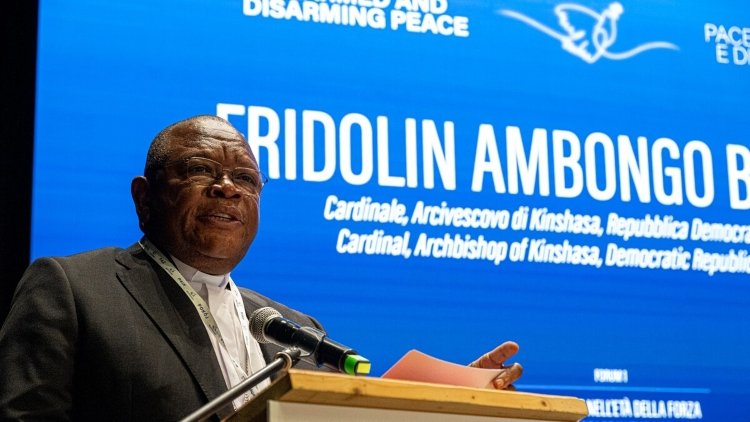
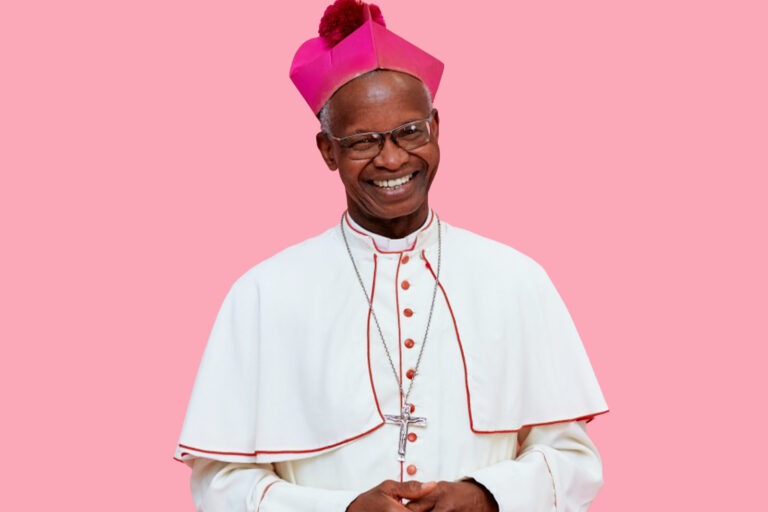
Cardinal Fridolin Ambongo Besungu, addressing the forum on the question “What Kind of Peace in an Age of Force?”/Sant’Egidio
“Without dialogue, there will be no peace”
Drawing on the experience of a Church that has witnessed decades of conflict, Cardinal Ambongo challenged the growing reliance on military power and the belief that preparing for war guarantees peace. He stressed that the human cost of armed conflict falls disproportionately on the poor and vulnerable.
“Without dialogue, there will be no peace,” he declared, insisting that resolving the conflict in the DRC requires an inclusive political process rather than military solutions alone.
“A dialogue that excludes those with whom one is at war is not a dialogue: it is a monologue,” he said, urging political leaders to engage even those regarded as enemies. For the Congolese Cardinal, genuine peace emerges when adversaries are willing to recognise one another as brothers and sisters.
Peace Begins with Disarming Hearts
Cardinal Ambongo also emphasised that dialogue is not a sign of weakness but an expression of inner strength. Citing the experience of Mozambique, where a peace agreement was signed in Rome in 1992 after years of conflict and negotiations, he highlighted the possibility of transforming former enemies into partners in peace.
He further called for a peace that is “disarmed and disarming,” beginning with the rejection of ethnic hatred, dehumanising language and the manipulation of religion to justify violence.
“Using the name of God to justify violence is blasphemy,” he warned, urging believers to demonstrate their commitment to peace through their lives and actions.
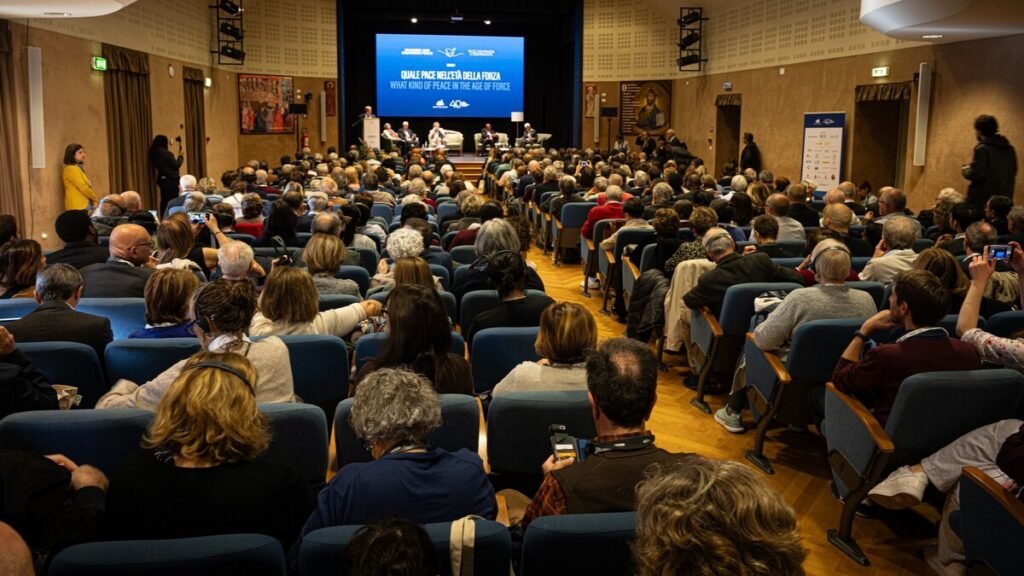
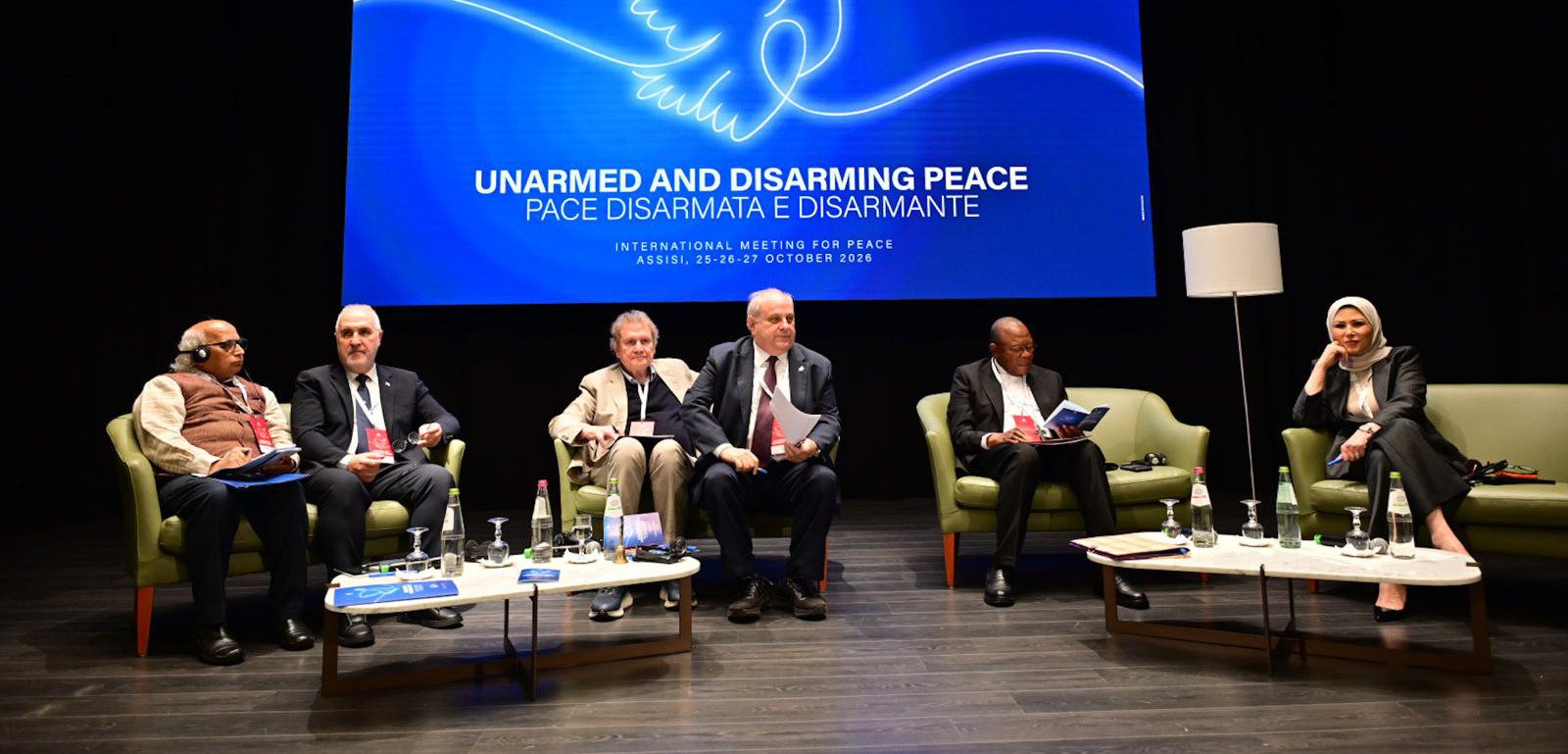
Participants of the forum on “What Kind of Peace in an Age of Force?”/Sant’Egidio
Appeal to move beyond declarations
The Cardinal made three appeals: to political leaders in the DRC and the Great Lakes region, to reopen dialogue without exclusions or impossible preconditions; to the international community, to move beyond declarations and address the trade that finances armed conflict; and to believers of all religions, to become agents of peace in their words, communities and choices.
Concluding his address, Cardinal Ambongo underscored the contrast between military victory and reconciliation: “The force of arms produces victors and vanquished, widows and orphans. The force of dialogue produces brothers.” His message reaffirmed the responsibility of the Church and religious communities to promote fraternity, reconciliation and a lasting peace rooted in human dignity.
SECAM Communications Office